Reading New York: Chelsea between Art and the Hudson
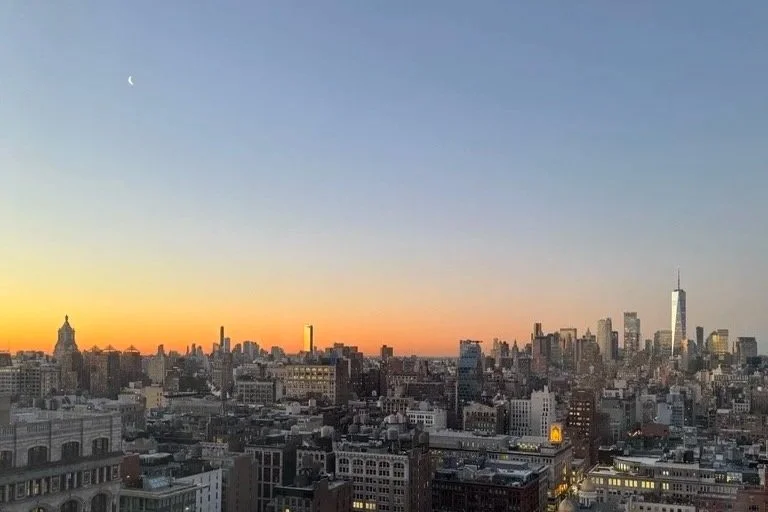
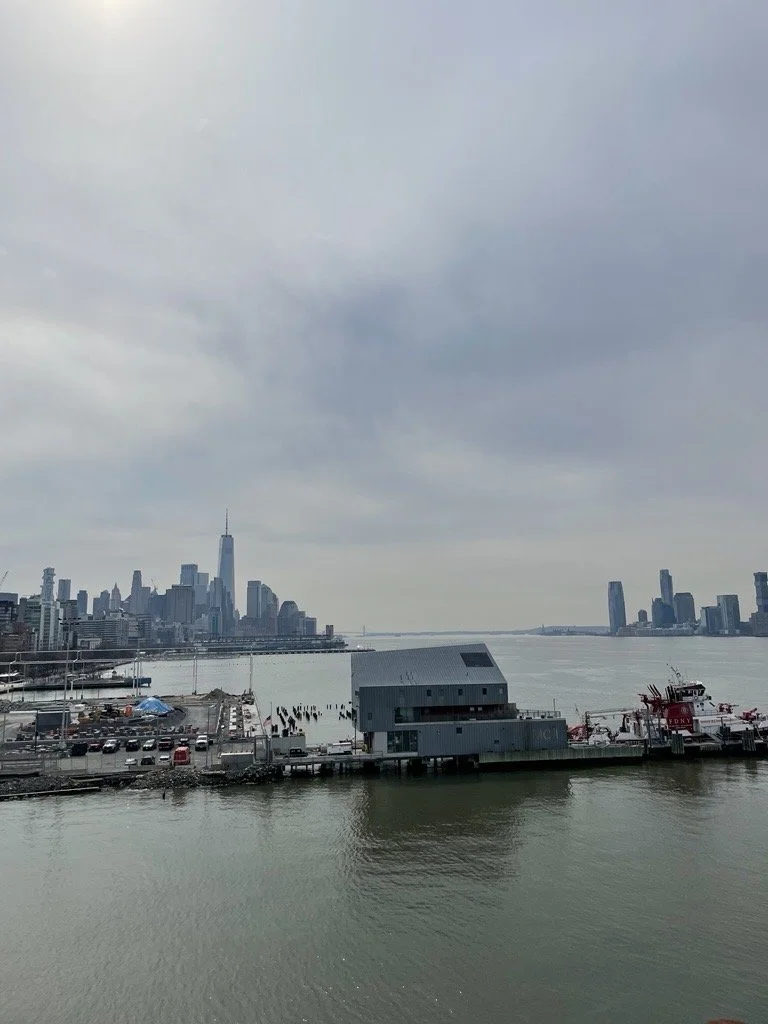
View from Motto Hotel on 24th street
Chelsea is one of those neighborhoods that resists fitting into a single definition, and that’s precisely what makes it interesting. It has been, at different moments, a working-class residential area, a hub for artists and galleries, the epicenter of New York’s nightlife, and more recently, the western frontier of a city pushing toward the Hudson. It is still all of these things at once, just in different proportions depending on which block you’re on.
I’ve lived in Chelsea at three different addresses — 20th and 8th, 26th and 7th, 23rd and 6th — each time briefly, each time enough to get a genuine feel for the neighborhood: quiet enough to breathe, central enough to be everywhere quickly. Which is why I keep coming back.
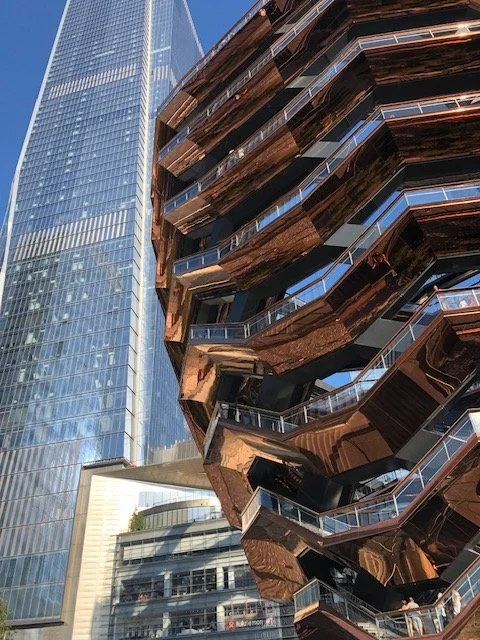
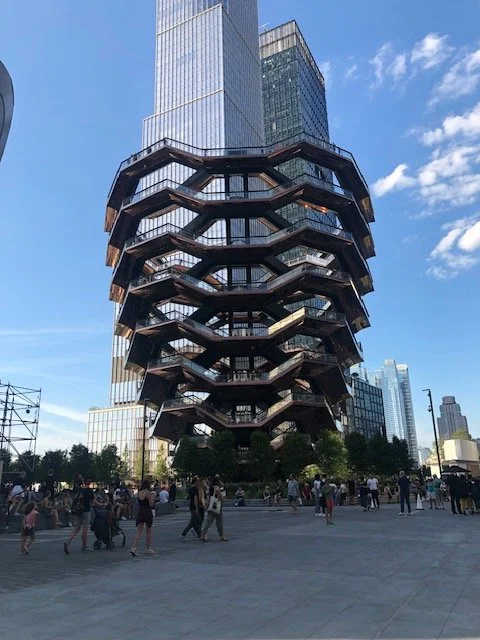
The neighborhood's western edge has seen the most dramatic transformation in recent years. Hudson Yards, which rose from a former rail yard over the past decade, is New York doing what it always does — building upward and outward, betting on ambition. It's polarizing: the architecture is bold, the retail is expensive, and the Vessel — that honeycomb-like structure at its center — is strange enough to stop you in your tracks even though its function is still unclear to me. Whether you find it beautiful or baffling probably says something about your relationship with the city.
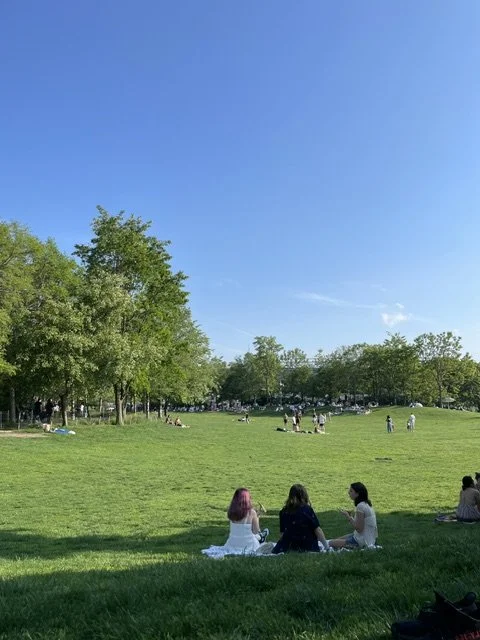
Closer to the water, Chelsea Piers stretches along the Hudson from 17th to 23rd Street — a working waterfront that has reinvented itself as a full-scale recreational complex, with everything from a golf driving range suspended over the river to ice rinks and film studios. It's worth a visit, particularly at dusk, when the light over the Hudson shifts and the city briefly slows down, or for a relaxing break on the grass.
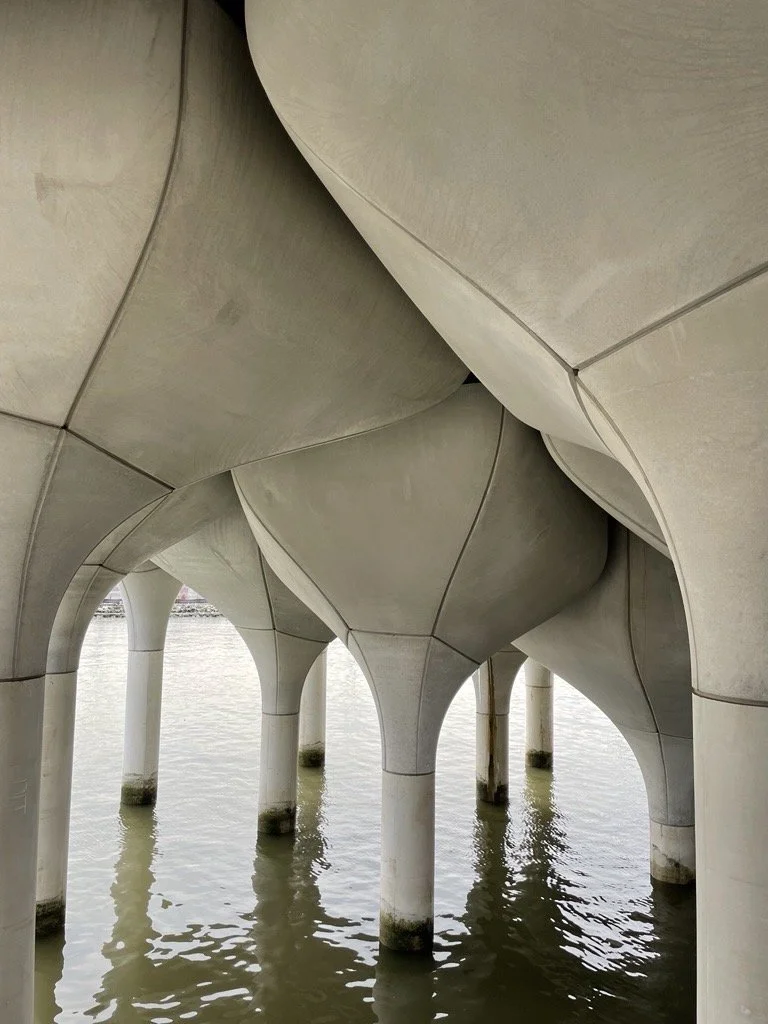
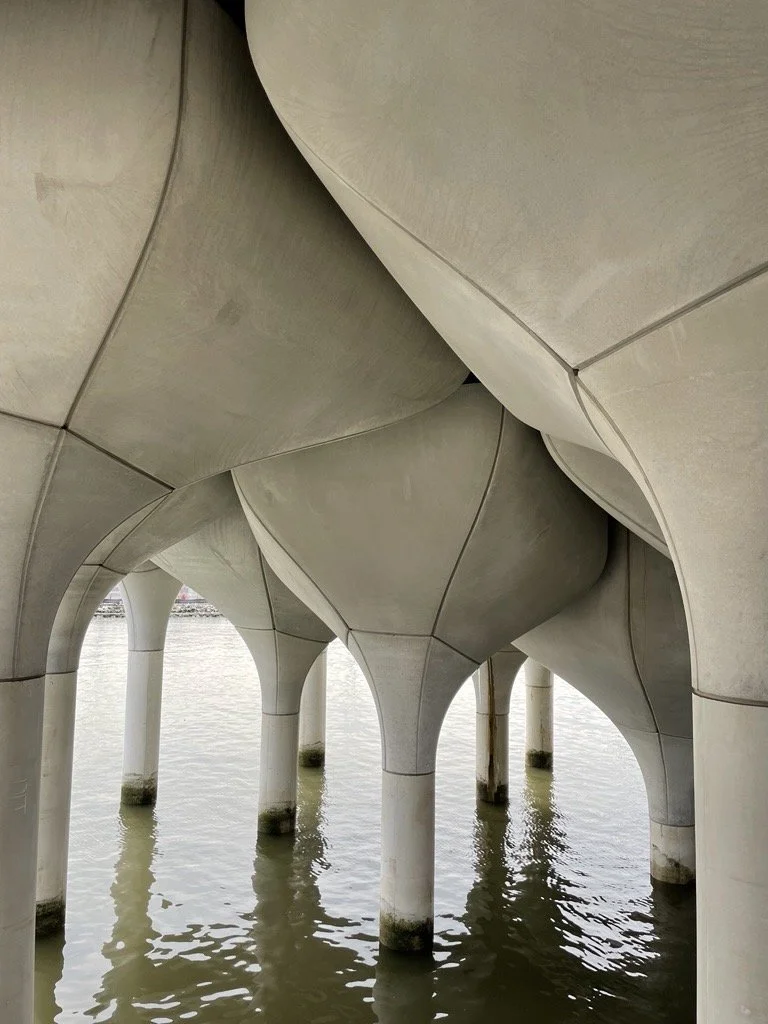
Just north, Little Island sits on the water on a cluster of tulip-shaped concrete piles, giving it the feeling of something that floated in from elsewhere and decided to stay. Opened in 2021, it hosts performances in summer and offers some of the best views of the river. Slightly eccentric, entirely worth the detour.
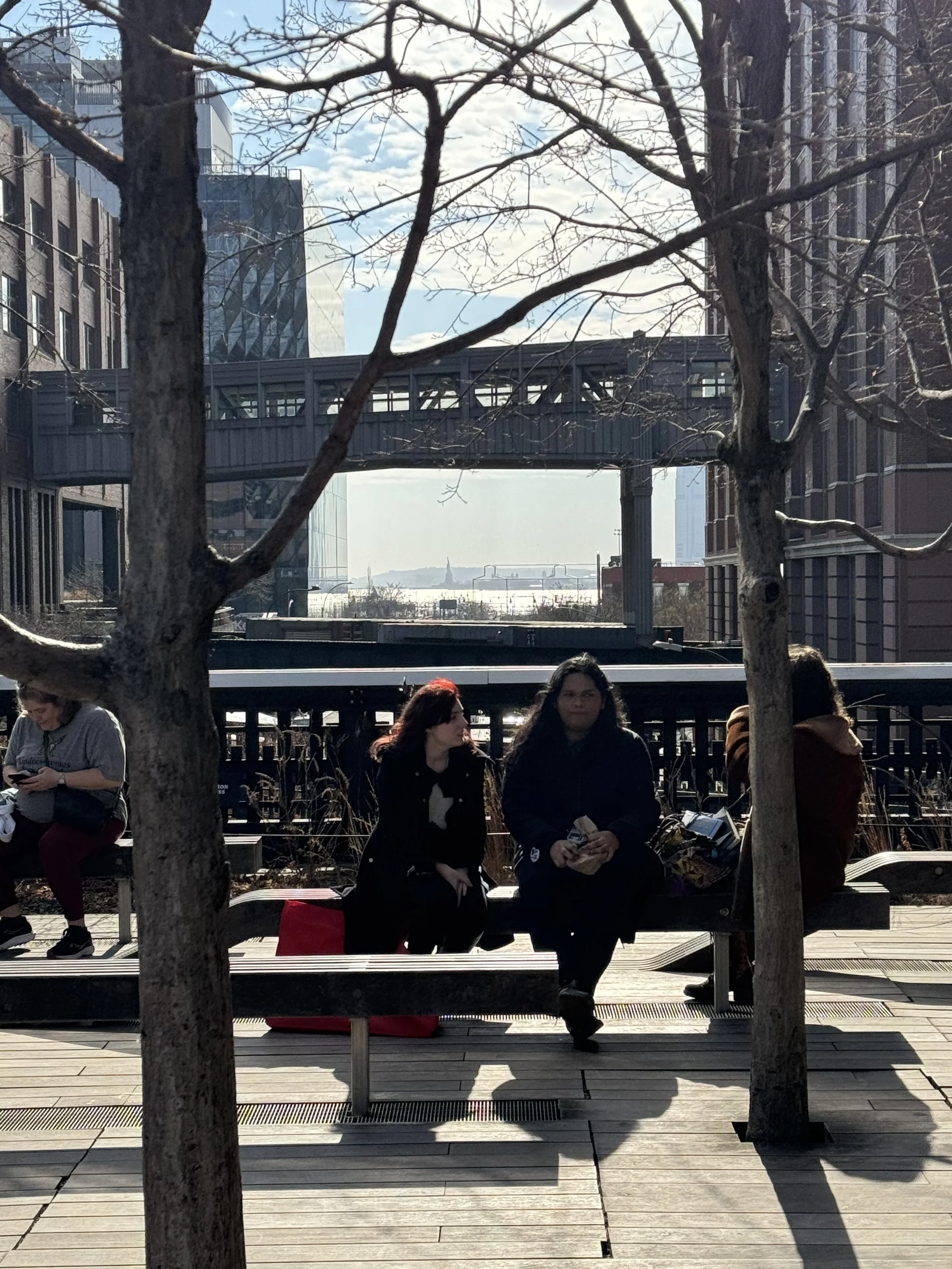
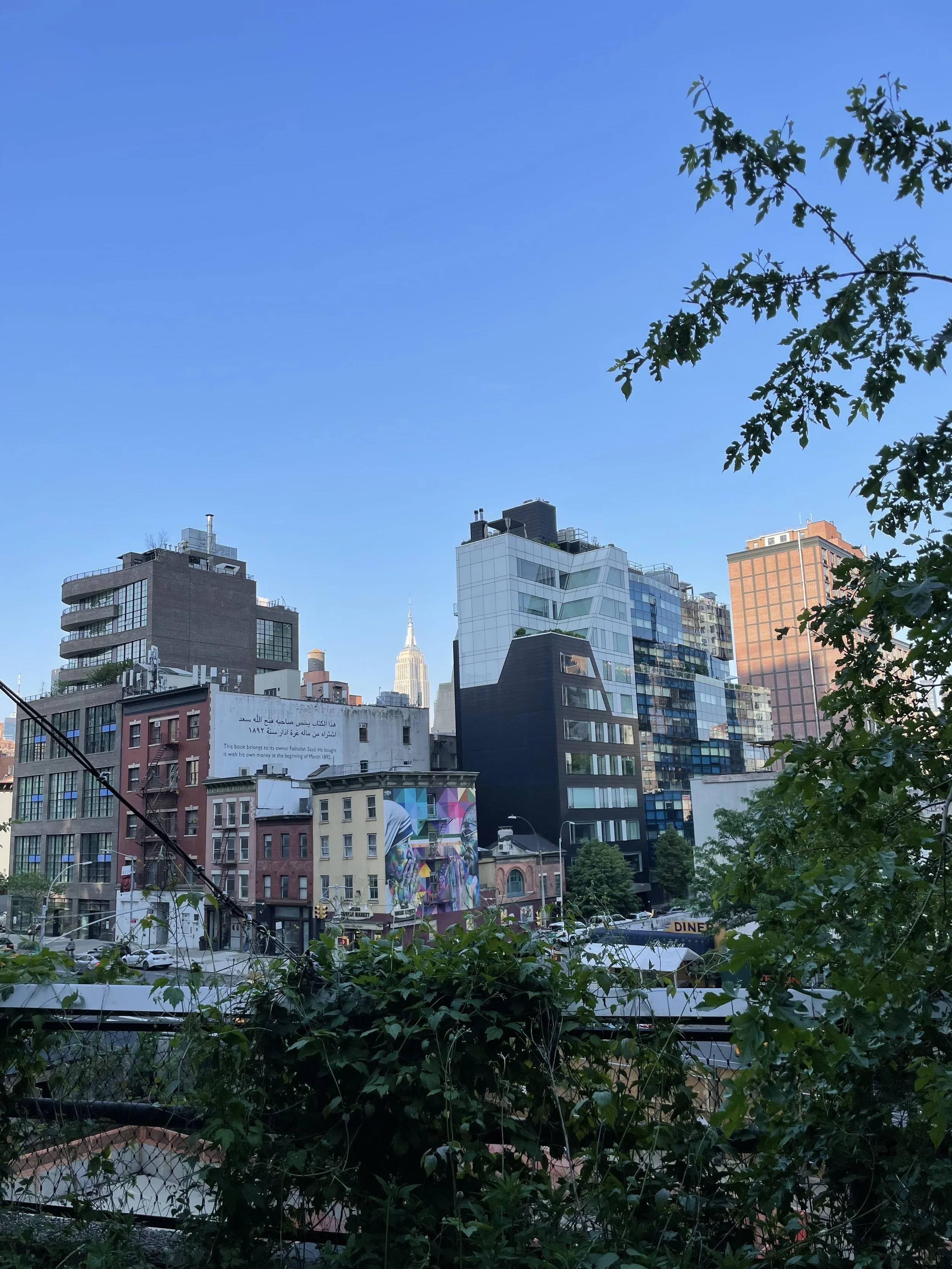
The High Line remains Chelsea's most celebrated feature — and for good reason. What was once an elevated freight rail line running along the western edge of the neighborhood is now a linear park that threads through the city above street level, offering a slower, more curated walk with changing views of the Hudson, the rooftops, and the street below. The surrounding architecture has responded in kind — some of New York's most interesting new buildings frame the path. Walk it from Hudson Yards, at its northern end on 34th Street, to its southern tip at Gansevoort Street. Go on a weekday morning if you want to avoid a crowd.
At the High Line's southern end, you’ll meet the Whitney Museum of American Art, which anchors the neighborhood's edge overlooking the Hudson. Renzo Piano's building — nine stories of asymmetric steel and glass — is a genuinely beautiful piece of architecture, as much worth seeing as what's inside. The museum's focus on twentieth and twenty-first-century American art makes for a collection that is alive and occasionally unsettling in the best way. Among the permanent highlights, Alexander Calder's work stands out — particularly his Cirque Calder, a miniature circus reconstructed entirely in wire and wood, one of the most quietly extraordinary things in the building.
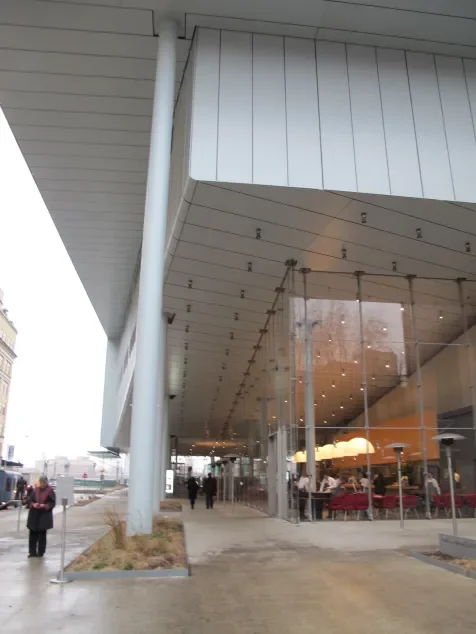
I have a longer history with the Whitney than this address. For years, the museum lived in Marcel Breuer's brutalist building on Madison Avenue — a concrete structure that alarmed and fascinated me in equal measure the first time I saw it as a child, holding my mother's hand. My father, being an artist, made sure we visited museums wherever we traveled, and the Whitney on Madison was one of those early, formative encounters with a building that felt like it was doing something to you before you even stepped inside. The museum has since moved; the Breuer building has passed through several hands. But the Whitney itself — its collection, its restlessness, its commitment to the art of right now — has only sharpened. (I wrote about the Breuer building separately, if you want to go deeper.)
Chelsea’s gallery scene, though less concentrated than it once was, remains one of the most important destinations for contemporary art in the city. The blocks between 20th and 27th Streets on 10th and 11th Avenues are lined with spaces ranging from the flagship outposts of major dealers — Gagosian, David Zwirner, Hauser & Wirth — to smaller experimental galleries that rotate shows constantly. No ticket required, no crowds: most are free to enter, and the caliber of what’s on view is consistently high. If you grew up around art, this stretch feels like a natural habitat. If you didn’t, it’s one of the best free afternoons the city offers.
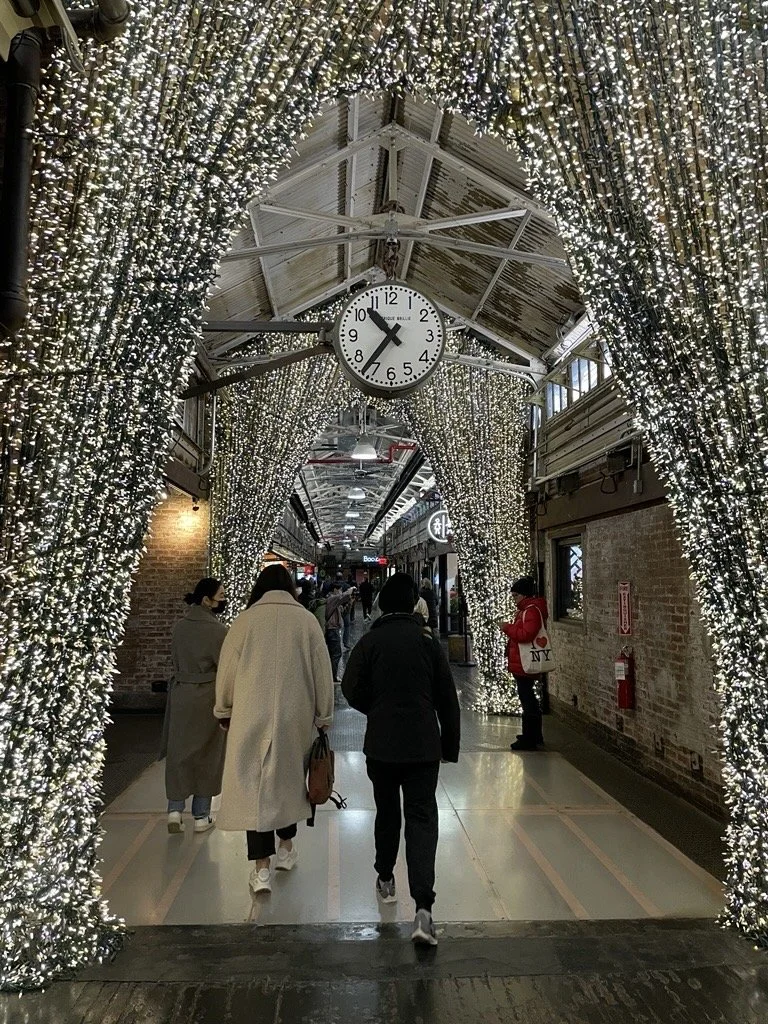
The Chelsea Market, housed in the former Nabisco factory where the Oreo cookie was first manufactured, takes up an entire block between 9th and 10th Avenues. The building still feels industrial — exposed brick, iron beams, the ghost of its former function — but it now houses one of the better food markets in the city. It rewards wandering without a plan. I’d arrive mid-morning, find a spot at the Starbucks Reserve inside, and spend a slow hour with coffee and a Princina chocolate cake by Princi — a small, familiar piece of Milan in the middle of Chelsea, which is always a pleasant thing for me. For something heartier, Creamline is my go-to: a comfort food counter serving excellent burgers, grilled cheese, and thick milkshakes that deliver every time. Beyond food, the market also hosts a great selection of stores and the Artists & Fleas corner right at the back, a market of independent designers, vintage sellers, and makers — one of the better places in the city to find something you weren't looking for.
Chelsea's gallery scene, though less concentrated than it once was, remains one of the most important destinations for contemporary art in the city. The blocks between 20th and 27th Streets on 10th and 11th Avenues are lined with spaces ranging from the flagship outposts of major dealers — Gagosian, David Zwirner, Hauser & Wirth — to smaller experimental galleries that rotate shows constantly. No ticket required, no crowds: most are free to enter, and the caliber of what's on view is consistently high. If you grew up around art, this stretch feels like a natural habitat. If you didn't, it's one of the best free afternoons the city offers.
For dinner, Momoya on 7th Avenue is a reliable and genuinely good Japanese restaurant — the kind that doesn't announce itself too loudly but delivers every time. It's my choice for a proper evening out in the neighborhood: calm enough to talk, good enough to return to. For a bigger night, TAO Downtown and Buddakan — both nearby in the Meatpacking District — offer the kind of theatrical dining experience that New York does better than anywhere: grand interiors, serious kitchens, a loud room full of people.
The Hotel Chelsea, on 23rd Street, is worth knowing about beyond its rooms. One of the city's most storied addresses — Patti Smith, Bob Dylan, and Andy Warhol were regulars in its 1960s heyday — it reopened fully renovated in 2022 without losing the feeling of the place. Café Chelsea inside is a French bistro with Art Deco interiors and a menu that works from breakfast through a late dinner. The Lobby Bar next door is a great place in the neighborhood for a strong martini and good conversation.
For a drink with a view, the Fleur Room on top of the Moxy Chelsea hotel offers 360-degree views of Manhattan — best on a clear evening when the city earns the spectacle. And if you want something more intimate, Bathtub Gin on 9th Avenue — hidden behind a coffee shop front — remains one of the neighborhood's most reliably good bars: serious cocktails, a warm room, the rare sense that a Tuesday can feel like a small occasion. If you’re looking for a more spontaneous and fun hangout spot, Barcade on 24th is the place to go.
Chelsea doesn't shout the way Midtown does, and it doesn't carry the mythological weight of neighborhoods further downtown. What it offers instead is a particular kind of New York livability — art, water, good food, a park in the sky — layered over a history of constant reinvention. It's a neighborhood that has always known how to change without losing itself entirely.
Eat & Drink
Chelsea Market — 75 9th Ave (between 15th & 16th St)
Starbucks Reserve with Princi — inside Chelsea Market
Creamline — inside Chelsea Market
Momoya — 185 7th Ave
Café Chelsea — 222 W 23rd St (Hotel Chelsea) Lobby Bar — Hotel Chelsea
TAO Downtown — 92 9th Ave
Buddakan — 75 9th Ave
Barcade — 148 W 24th
Fleur Room — Moxy Chelsea, 105 W 28th
St Bathtub Gin — 132 9th Ave
See
The High Line — enter at Gansevoort St or 14th, 16th, 23rd, 28th, 30th St
Whitney Museum of American Art — 99 Gansevoort St
Little Island — Pier 55, Hudson River Park
Chelsea Piers — Hudson River, 17th–23rd St
Hudson Yards & the Vessel — 30th St & 10th Ave
Chelsea Galleries — 10th & 11th Ave, 20th–27th St