Reading New York: TriBeCa, Inherited and Discovered
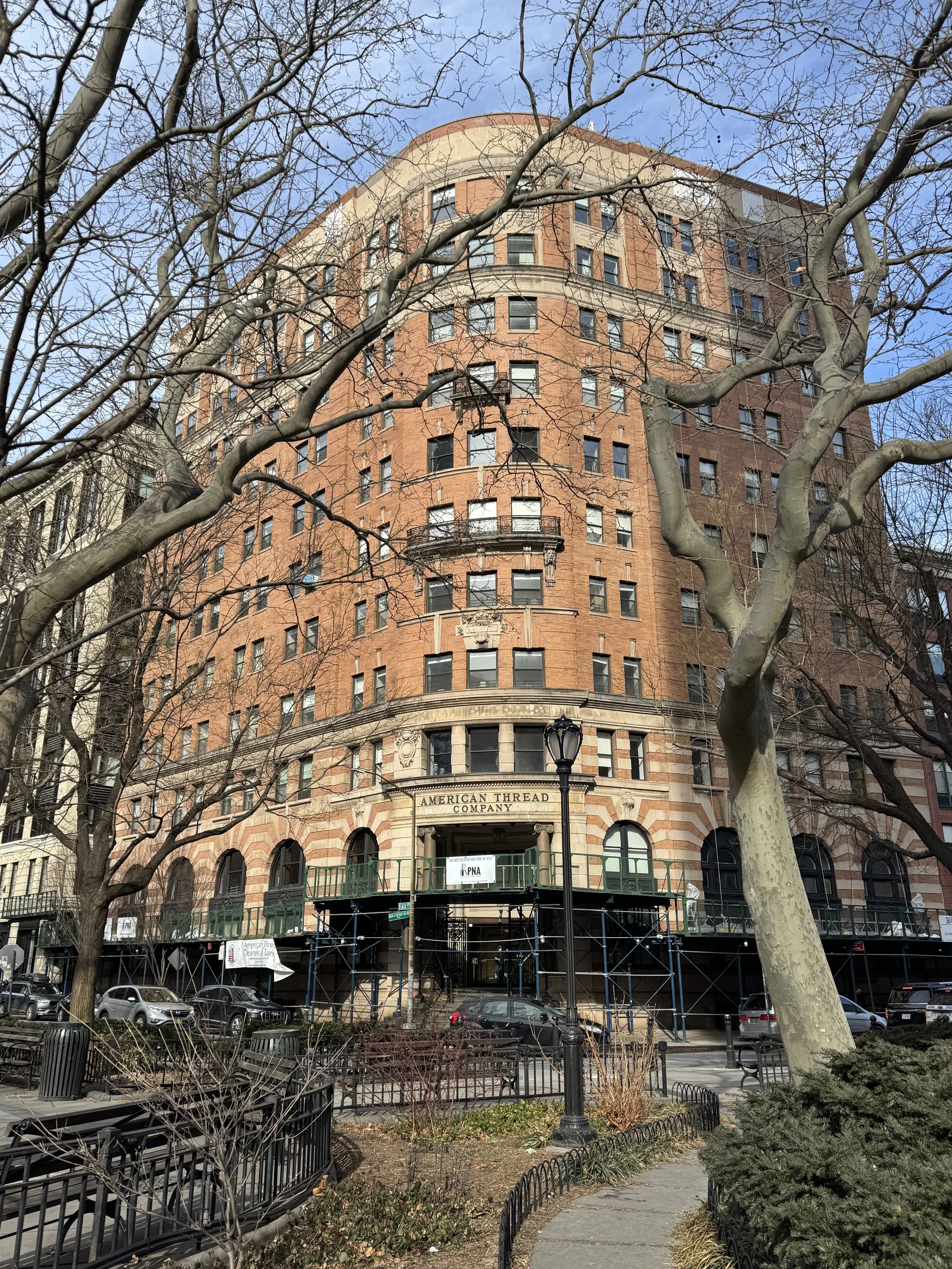
There’s a building on West Broadway where the street curves gently into Beach Street, its facade sweeping the corner in a broad arc of Renaissance Revival brick. It was built in 1896 as the Wool Exchange, and became the American Thread Company's headquarters in the early twentieth century. It was converted into loft apartments in 1980 — one of the very first loft conversions in TriBeCa, at the precise moment the neighborhood was reinventing itself from industrial wilderness into an artists' enclave. My father had an apartment there.
He'd been coming to New York since the 1960s, drawn by the same force that pulled artists from across the world to the city in that era — the sense that something was happening here that wasn't happening anywhere else. By the time he found his way to TriBeCa, the neighborhood was exactly what an artist needed: vast loft floors, a community of people who had chosen the work over everything else. His apartment at 260 West Broadway looked out over the Twin Towers.
He sold the apartment before I was old enough to live there. What remained with me was the building itself — a name, a story, and a particular kind of inheritance that has no deed attached to it.
When I arrived in New York in 2019 for journalism school, each student was assigned a neighborhood to cover. Mine was TriBeCa. I've always thought that was the city's way of sharing something back with me of my family’s heritage and connection to it.
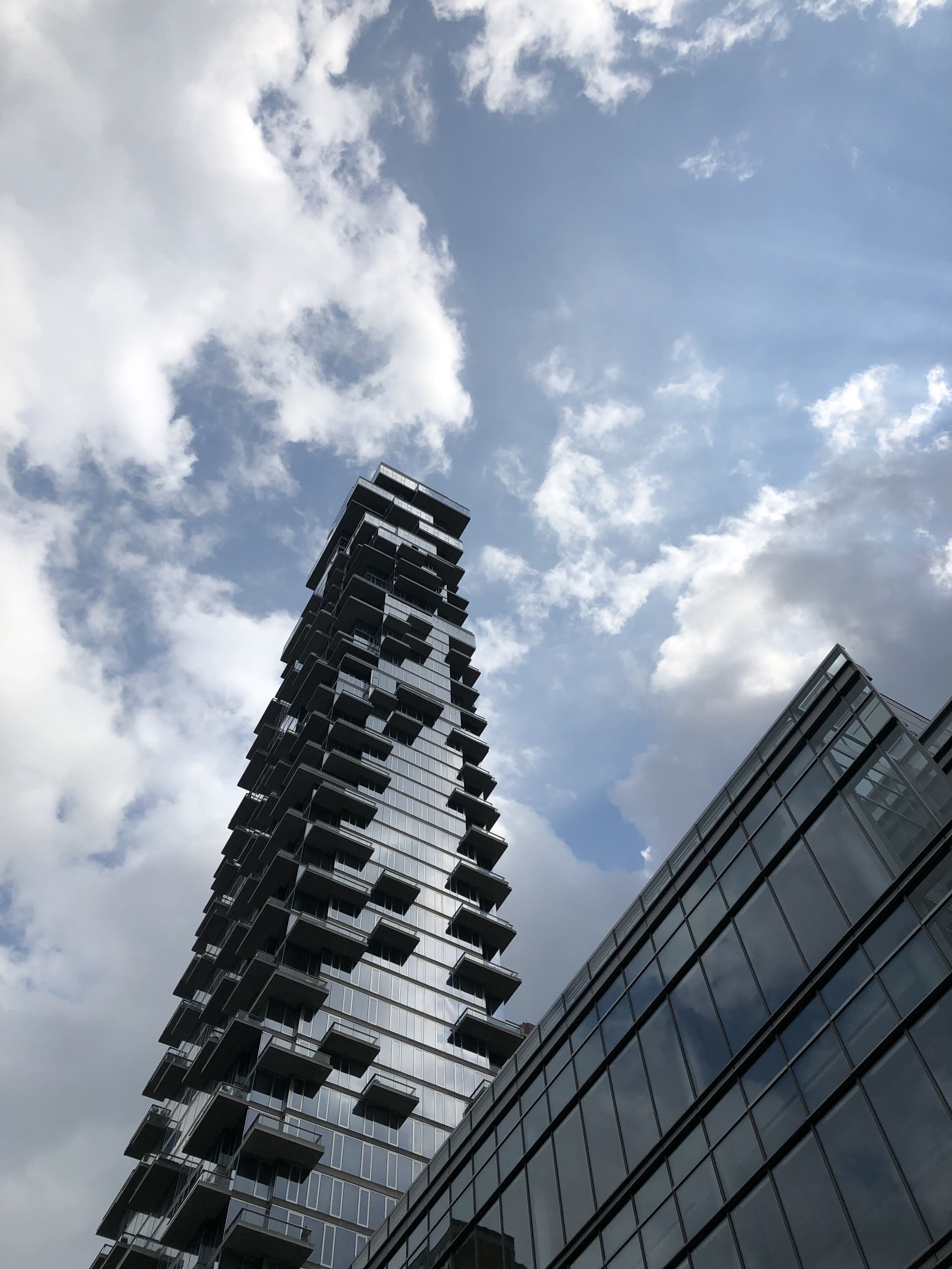
TriBeCa — the Triangle Below Canal Street — is one of those rare neighborhoods that has managed to become extraordinarily wealthy without entirely losing its character. The cobblestone streets are still there, the cast-iron facades, the scale of the old warehouses. What has changed is everything inside them: the artists who came in the 1970s were eventually priced out by the same desirability their presence created. TriBeCa is now the fifth richest neighborhood in the United States, home to celebrities, financiers, and Robert De Niro, who co-founded the Tribeca Film Festival in 2002 partly as an act of civic faith after September 11. The festival still runs each spring, transforming the neighborhood into one of the more animated gathering points for independent cinema in the world.
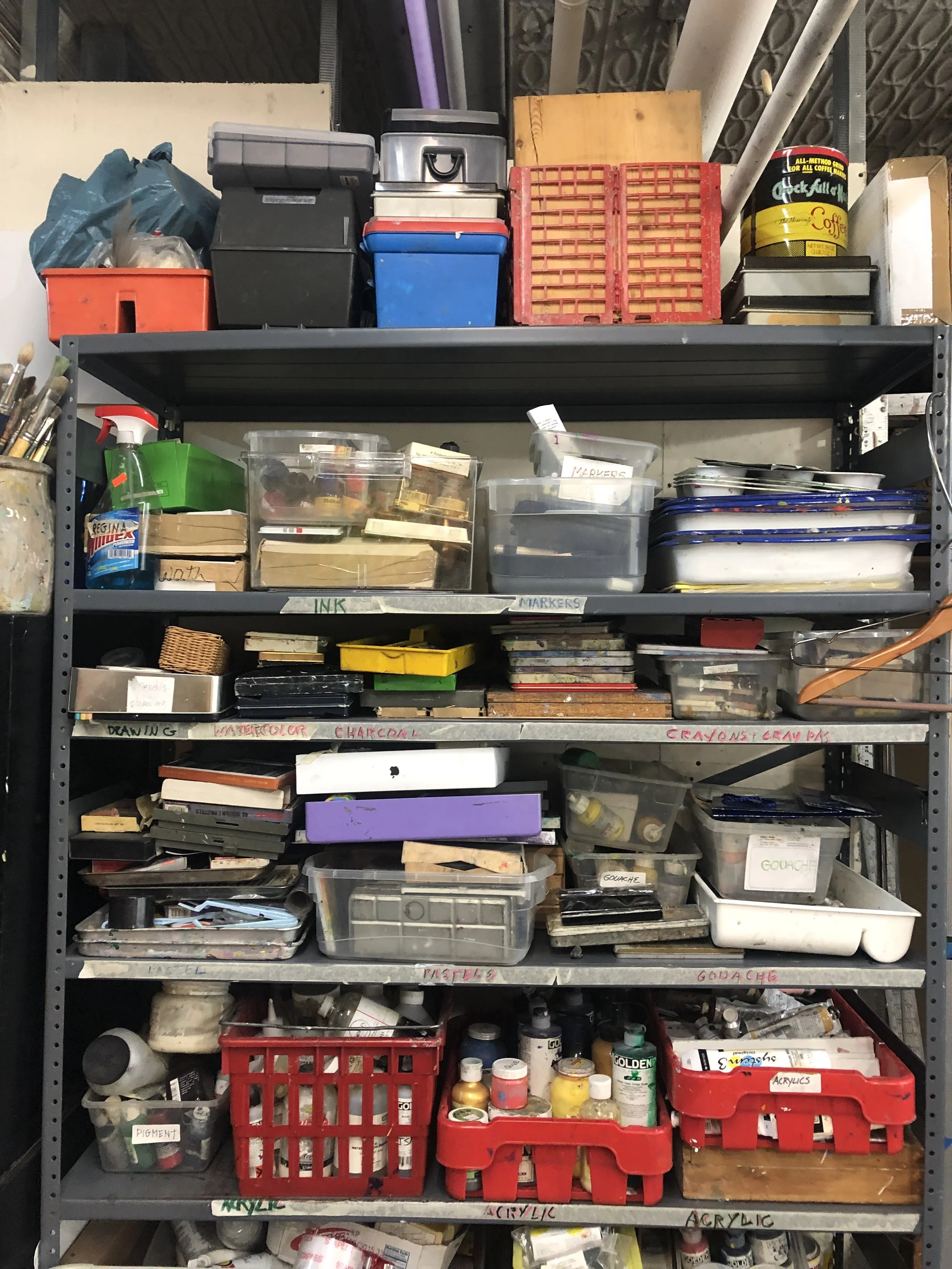
And yet something of the original spirit has persisted. When I was covering the neighborhood in 2019, I found a quiet surge of gallery openings happening along White Street and Cortland Alley, driven partly by the fact that Chelsea rents had become prohibitive. Artists and gallerists were rediscovering TriBeCa's warehouse spaces, its relative quiet, and its accessibility from every direction. At least seven new galleries opened in September of that year alone. Regina Silvers, a painter who has worked from her studio on White Street for over thirty years — through every transformation the neighborhood has undergone — told me then that something was finally catching. Andrew Kreps Gallery moved from Chelsea into a 10,000-square-foot space on two floors at Cortland Alley. Apexart, which had been quietly anchoring the neighborhood's cultural life since 1994, spoke about the city's art world coming back.
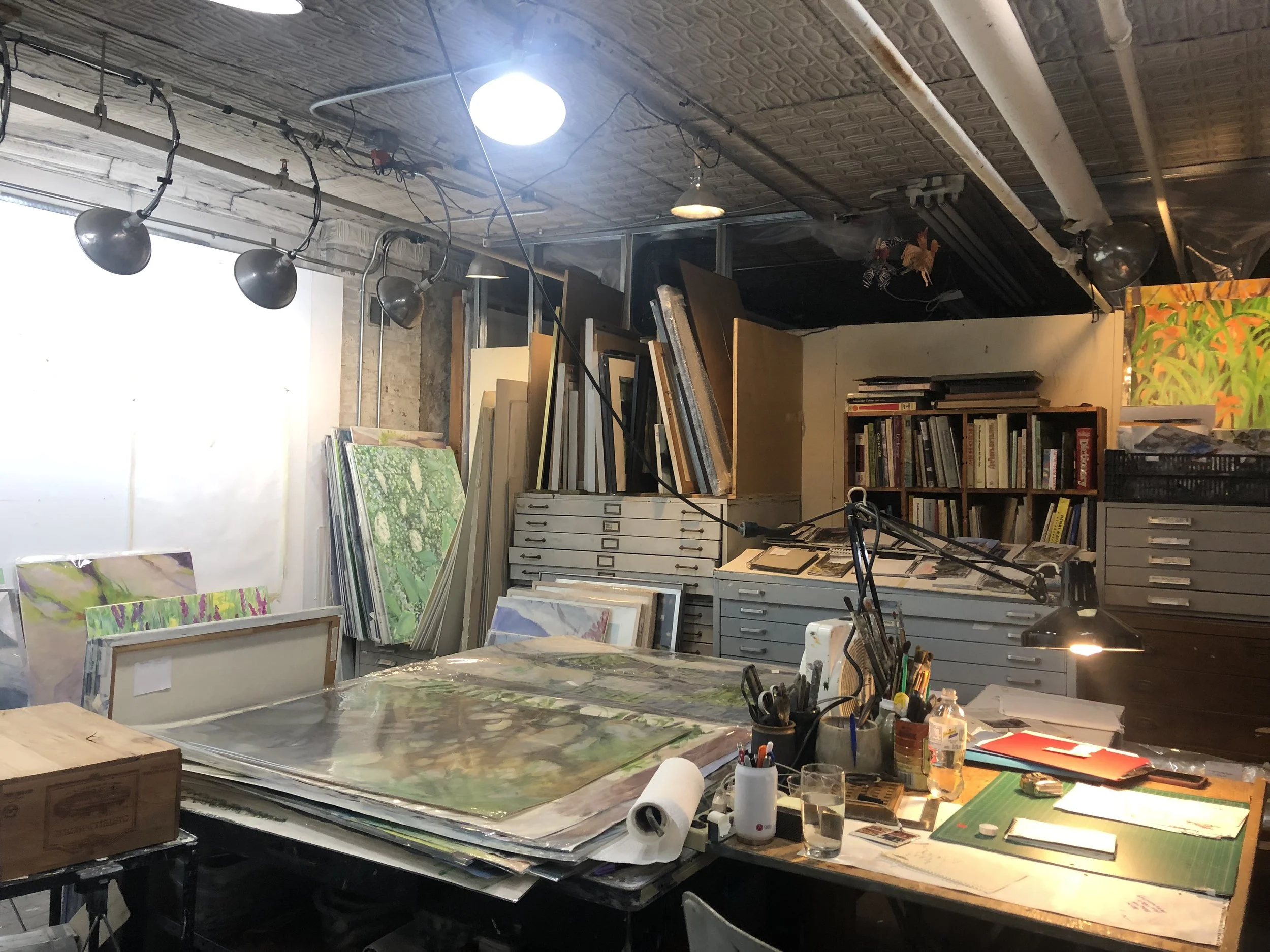
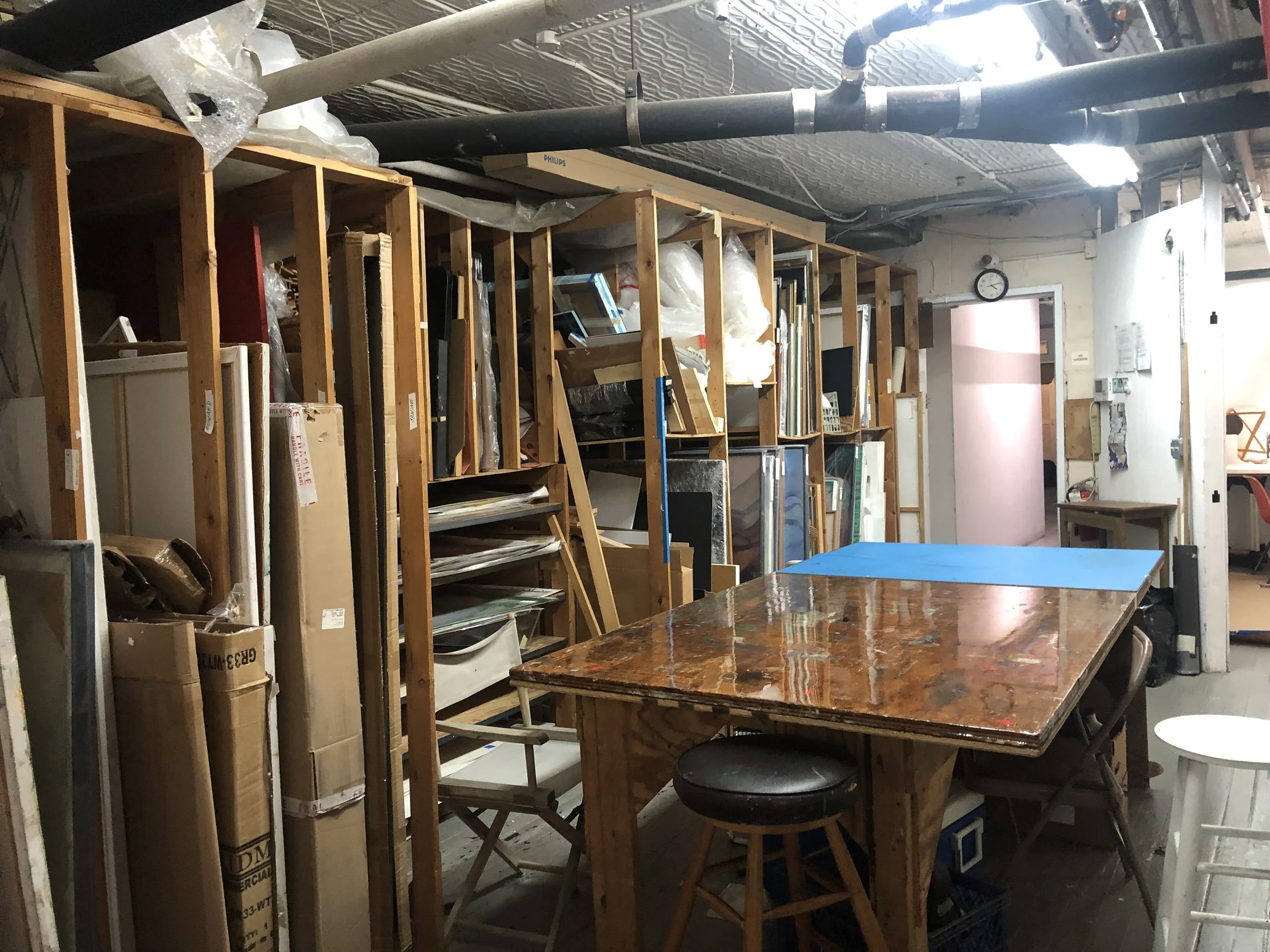
Then COVID arrived, and the momentum stalled. But TriBeCa's art scene, more resilient than its brief gallery boom suggested, has continued to evolve. Walking its streets today — particularly the blocks around White Street, Franklin Street, and Cortland Alley — you still find a mix of established and emerging spaces that ask nothing of you except your attention.
As for the American Thread Building: what I learned years later, researching the neighborhood I was assigned to cover, is that in 1979 — before the conversion, when the building still housed exhibition spaces — a twenty-year-old Keith Haring painted a mural on one of its walls. The mural was forgotten, sealed inside during renovation, and rediscovered in 2007 by contractors converting the space into a triplex. It's still there, inside a private apartment.
What makes this more than a coincidence is that Haring and my father knew each other's work. In 1989, during the visit to Pisa in which he painted Tuttomondo — the 180-square-meter mural on the wall of the church of Sant'Antonio Abate that would become one of his last major public works before his death the following year — Haring said of my father:
"Among the very few, the very rare artists who deserve respect here in Italy, I am happy to name Ugo Nespolo — because he is the most enterprising, the most imaginative, the most original. And because he seems to me the only one to have understood that an image, like the page of a novel, can tell something important and moving. With the sole difference, compared to books, that it is often in color."
My father, an Italian artist who first came to New York in the 1960s because it was the place to be, had a loft in a building where Haring painted a mural before anyone knew what a Haring was worth.
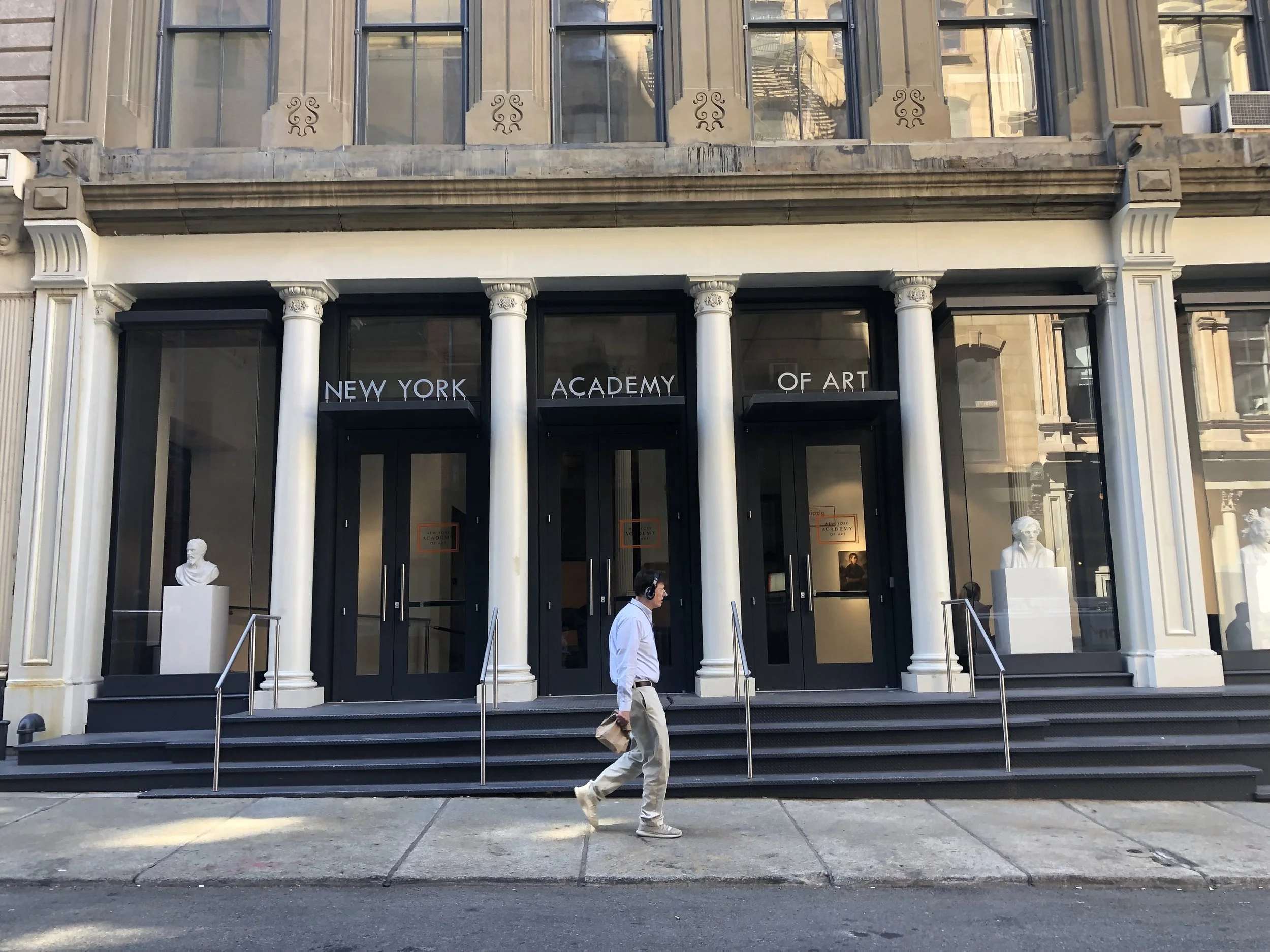
The streets of TriBeCa reward slow walking. The cast-iron architecture is among the finest in Manhattan — particularly along Franklin Street and Hudson Street — and the cobblestones that have survived modernization give the neighborhood a texture that few parts of downtown still possess. The New York Academy of Arts occupies a beautiful building on Franklin Street, its presence a quiet reminder that the neighborhood's relationship with art education runs deeper than gallery openings.
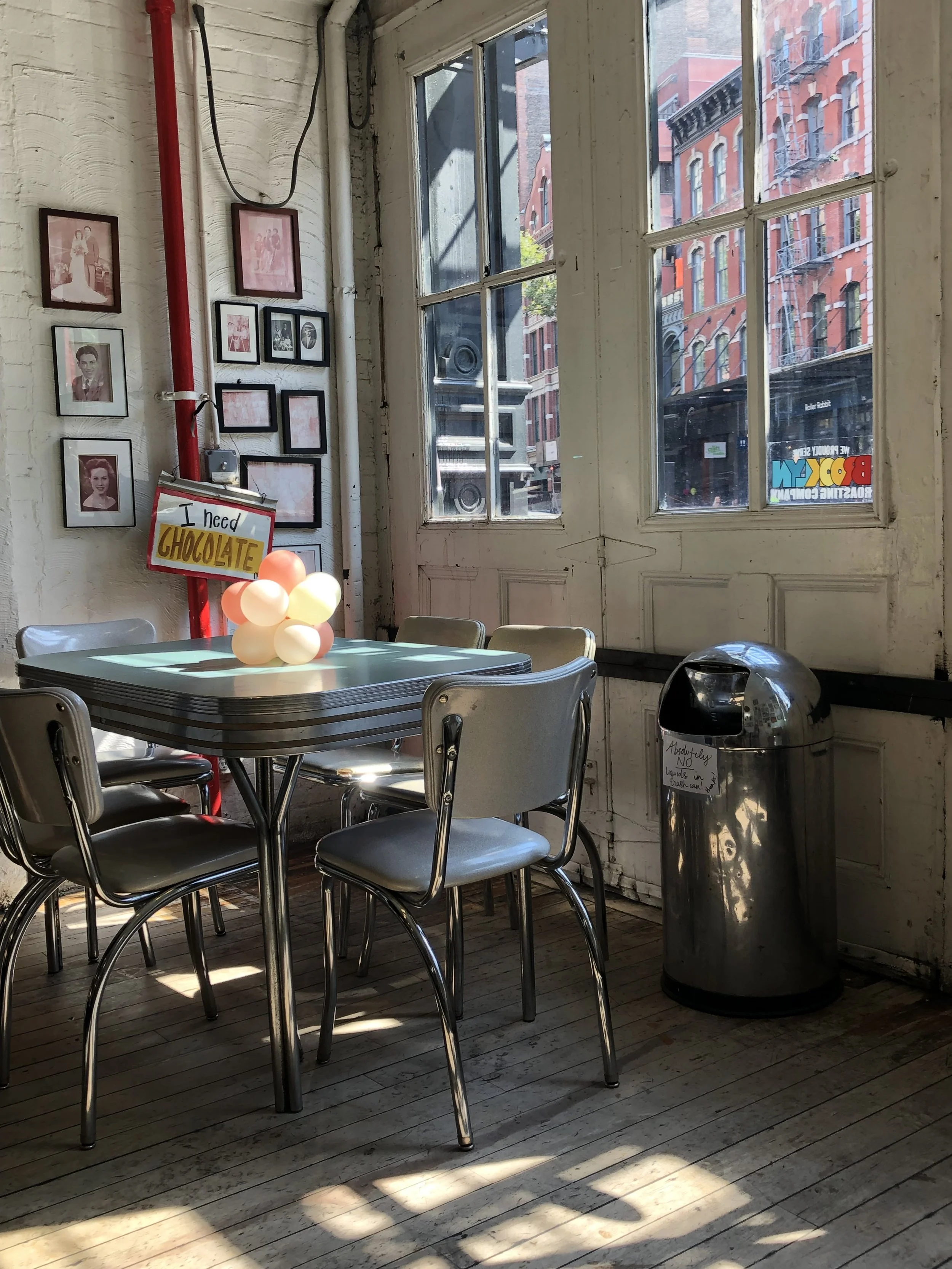
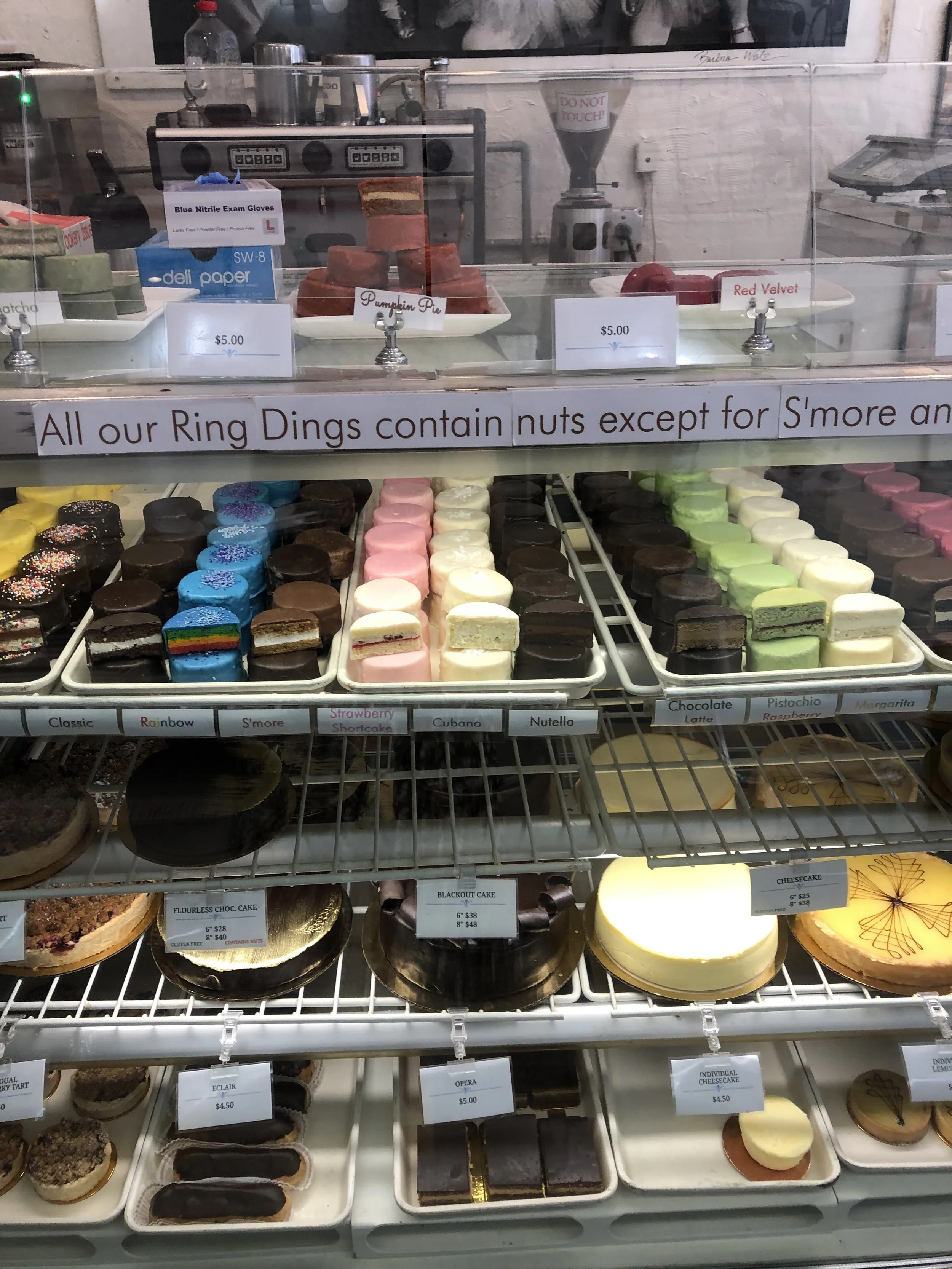
Duane Street is worth a detour on its own. Laughing Man, the fair trade coffee shop founded by Hugh Jackman — born from a chance encounter with a coffee farmer in Ethiopia — is a small, warm room that feels genuinely local despite its famous origin story. The flat white is excellent. Across the street, Duane Park Patisserie has been a neighborhood institution since 1992: French technique, seasonal pastries, all handmade, the kind of place that earns its reputation quietly over decades. Between the two, Duane Street handles a slow morning better than most blocks in downtown Manhattan.
The Odeon, on West Broadway, is the neighborhood's anchor restaurant — a French brasserie that has been feeding TriBeCa since 1980, exactly as long as the American Thread Building has been residential. It has the quality that only New York institutions manage: the ability to feel simultaneously celebratory and completely ordinary, the kind of place where you could eat a late-night burger at the bar or have a proper dinner with equal conviction.
Locanda Verde, Andrew Carmellini's Italian restaurant inside the Greenwich Hotel, has been a neighborhood fixture for fifteen years. The room is warm and consistently full, the food is hearty, and it carries the rare quality of being good while also being the place where you might recognize the person at the next table. Frenchette, a French brasserie that opened in 2019 to immediate critical attention, is the more recent benchmark: rich, precise cooking, a natural wine list of real depth, a room that feels alive without being loud. If the duck frites are on the menu, order them.
For a quieter evening, Tiny's — a three-story pastel pink townhouse on Worth Street — offers something closer to intimacy: candles, exposed brick, a small bar upstairs, and the feeling that you've found somewhere nobody else knows about, even though everyone does.
For a drink, Saint Tuesday in the Walker Hotel manages the rare feat of being exactly the kind of bar it's trying to be — low-lit, live jazz on certain nights, serious cocktails — without any of it feeling contrived. Bubby's, open since 1990, is the neighborhood's long-standing comfort option: brunch, pie, the kind of unpretentious food that earns its place on a block full of serious restaurants.
TriBeCa is not the easiest neighborhood to write about. It resists the shortcuts — it is neither purely historic nor purely fashionable, neither struggling nor triumphant. What it is, consistently, is itself: a neighborhood that absorbed wave after wave of transformation and retained a coherent identity through all of it. For me, it will always carry something additional — the particular weight of a building I never lived in, streets I reported on, and the feeling, walking its cobblestones, of being somewhere that was already part of my story before I arrived.
Eat & Drink
Laughing Man — 184 Duane St
Duane Park Patisserie — 179 Duane St
The Odeon — 145 West Broadway
Locanda Verde — 377 Greenwich St
Frenchette — 241 West Broadway
Tiny's — 135 West Broadway
Bubby's — 120 Hudson St
Saint Tuesday — Walker Hotel, 144 West Broadway
See
New York Academy of Arts — 111 Franklin St
Cortland Alley — cobblestone street and gallery strip
Tribeca Film Festival — each spring, various venues
Apexart — 291 Church St