Tokyo Streets: Central Tokyo (Chuo-ku)
Central Tokyo isn’t meant to attract visitors and doesn't try to. This is the part of the city that runs the country: the Imperial Palace, the financial district, the Stock Exchange, the Bank of Japan — and it wears that function plainly. Walking through here, especially around Marunouchi, you could briefly forget you're in Tokyo at all. The wide avenues, the office towers, the suited commuters moving with purpose, it reads more like a European financial capital than the clichè image of the city you’re in.
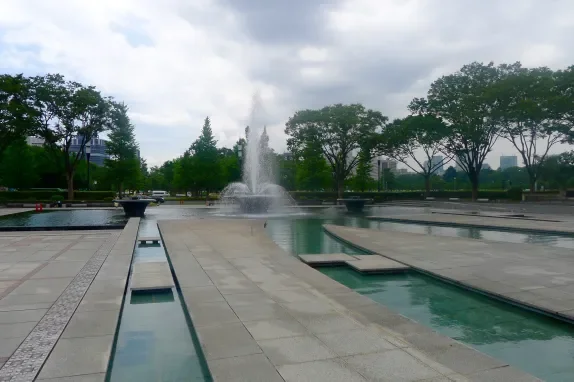
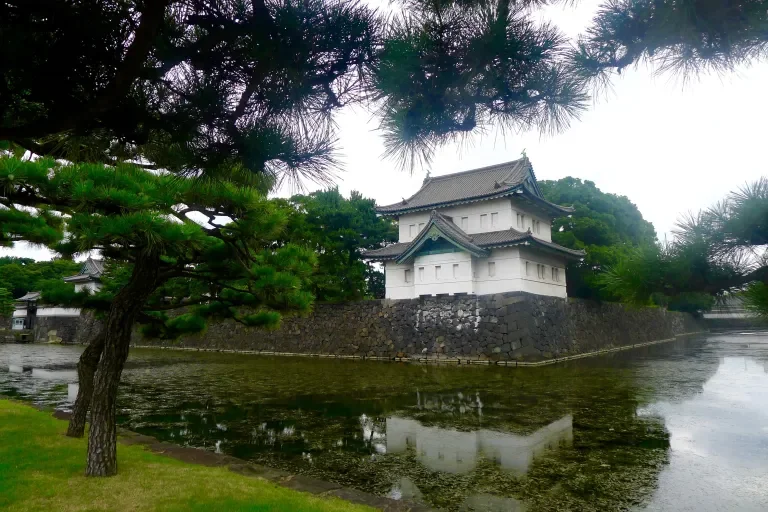
At its geographical and symbolic heart is the Imperial Palace, residence of the emperor and empress since 1888. The grounds are vast — stone walls, moats, manicured gardens — but largely closed to visitors. The inner grounds open to the public only twice a year, on January 2nd and on the emperor's birthday. For most visits, the East Gardens are the accessible option — a Japanese pond with a waterfall, quiet enough to feel like a genuine pause in the city's rhythm.
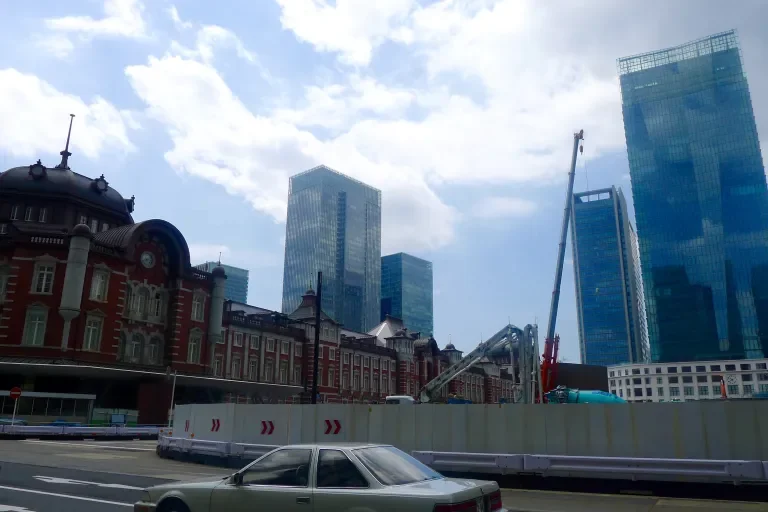
Tokyo Station is nearby, and worth seeing for its exterior alone — a 1914 red-brick facade with domed ends, deliberately European in style, sitting incongruously among the surrounding modernity. Exit from the Marunouchi side. Inside, the station has expanded far beyond its original function into something closer to a small city: galleries, restaurants, shops across multiple underground levels.
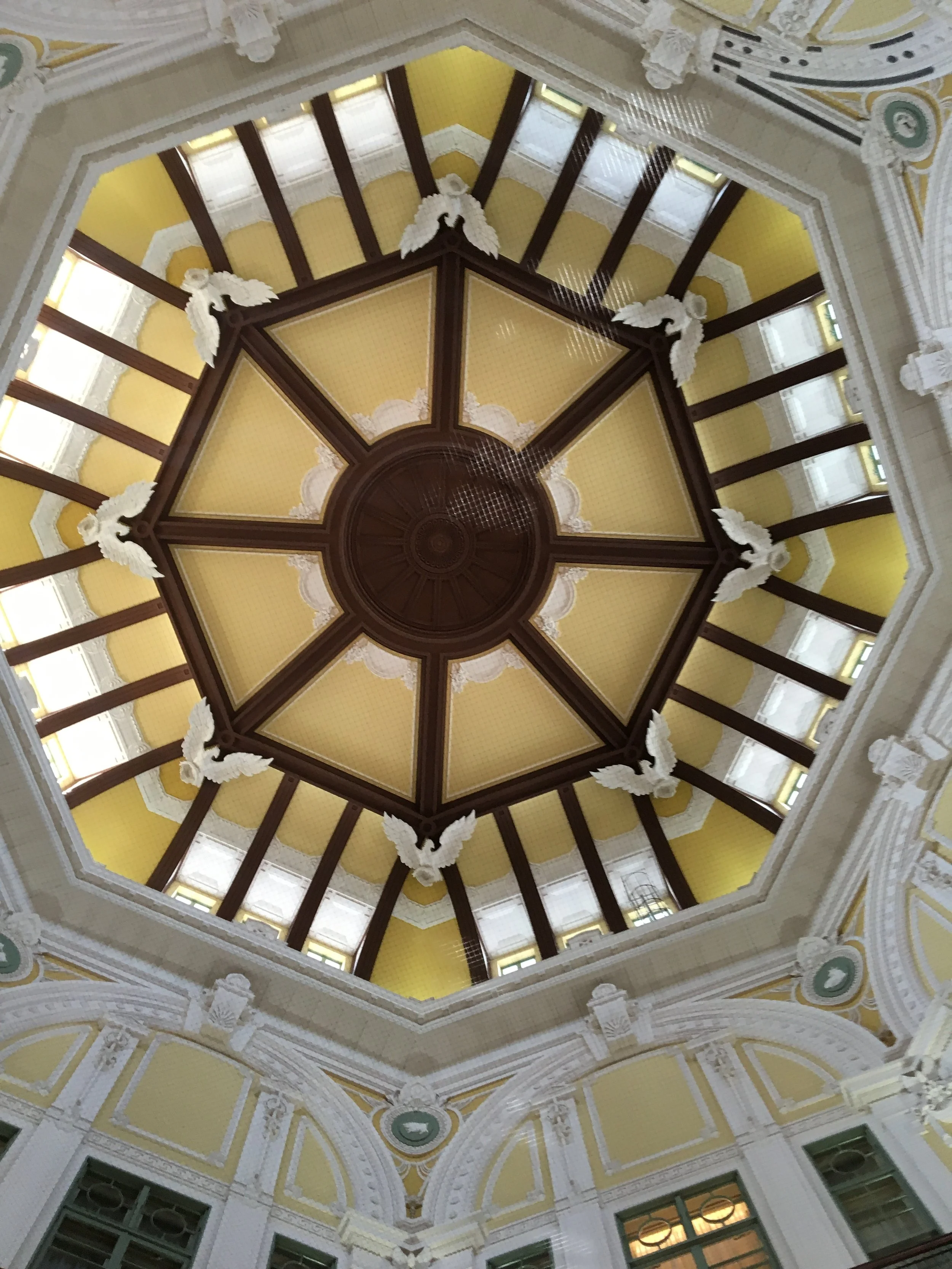
On my last trip, arriving by Shinkansen with luggage that had no business being carried through a crowd, the scale of it was genuinely overwhelming. Navigating toward the exit felt like solving a puzzle nobody had given me the rules to. Somewhere in that chaos is Traveller's Factory — a store dedicated entirely to travel notebooks and accessories, worth every effort to find. My own travel notebook comes from there.
North of the station, Nihonbashi bridge marks the point from which all of Japan’s road distances are measured — the literal center of the country’s geography. An expressway built for the 1964 Olympics now runs directly overhead, obscuring it entirely. The bridge is still there. You just have to look for it.
Worth finding too, just south of the station, is the Tokyo International Forum. Designed by Rafael Viñoly and completed in 1996, the building is easy to stumble upon and hard to walk past — a vast, hull-shaped glass atrium that rises sixty meters and catches light in a way that feels entirely out of place in a financial district, which is precisely what makes it interesting. It holds cultural events and conventions, but the atrium itself is the reason to go in.
