Friday night, out of the metro, you find yourself in a lonely square. A few Northern European buildings rise in the dark, dim-lit storefronts mostly closed. On a Friday, you’d expect the hum of a city unwinding for the weekend. Instead, the streets are silent. Not the heavy silence of a place that’s sleeping, but the clean, indifferent silence of a place that simply is never loud.
This is my first impression of Copenhagen, and in a way, it never left.
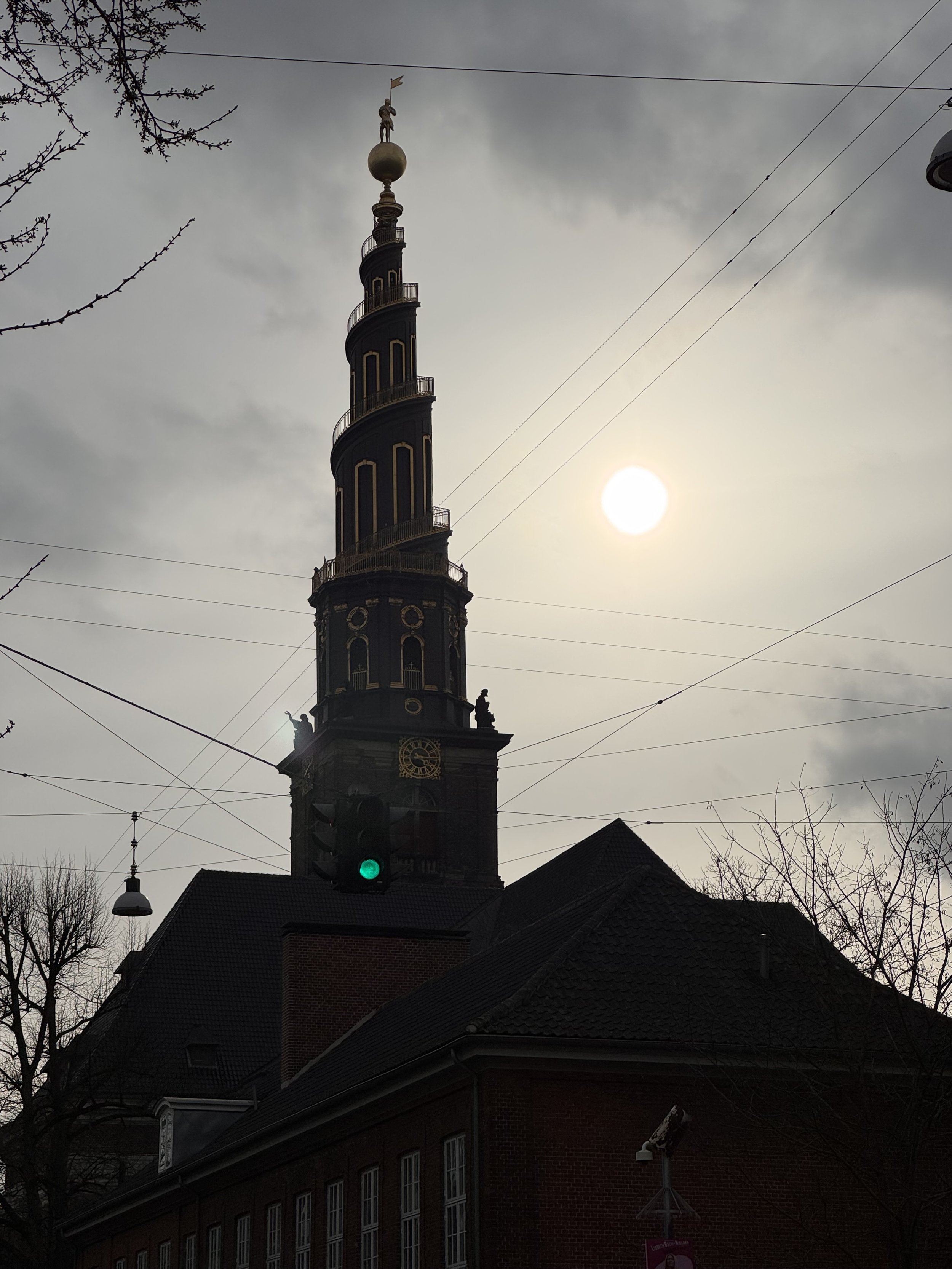
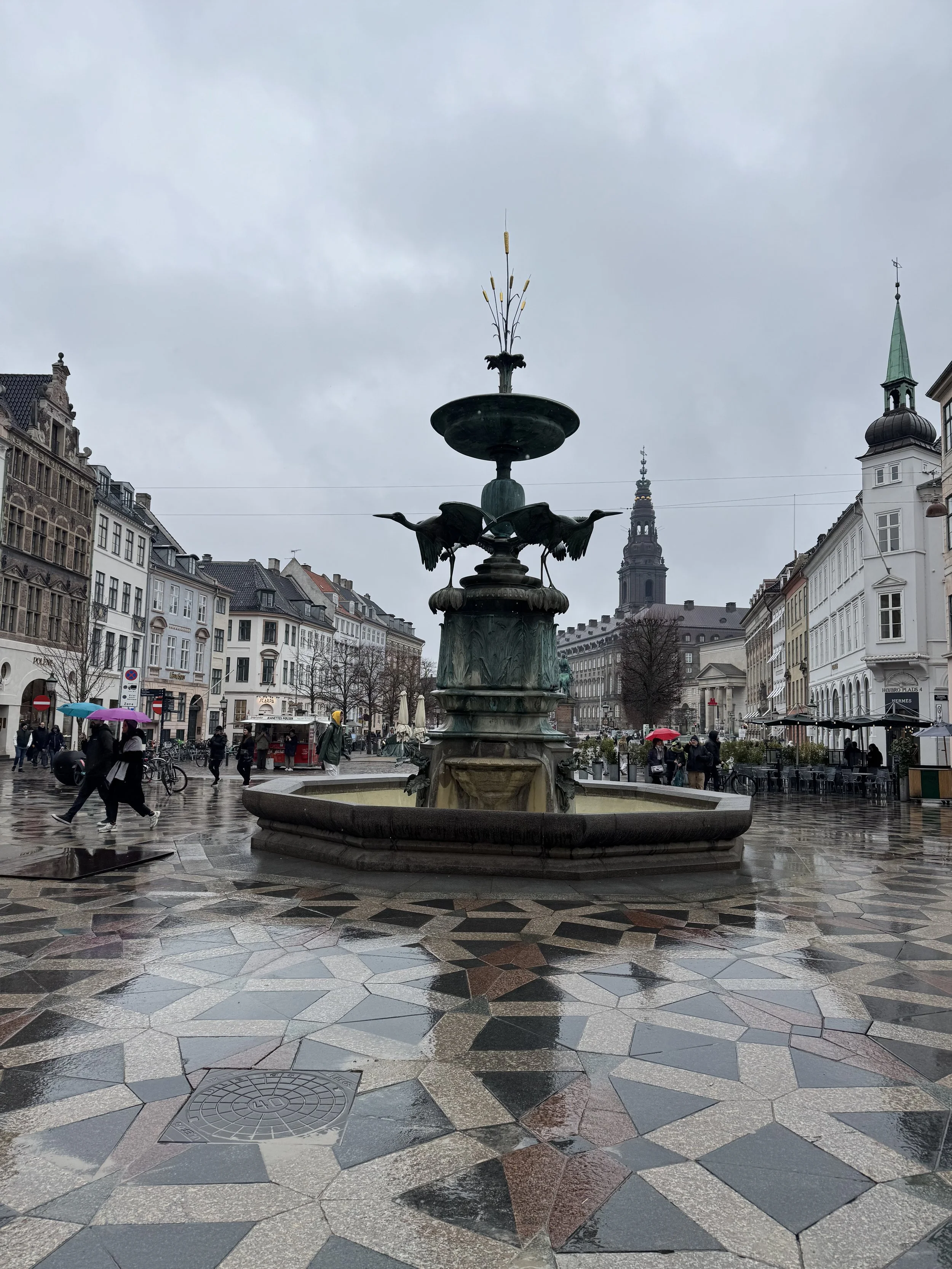
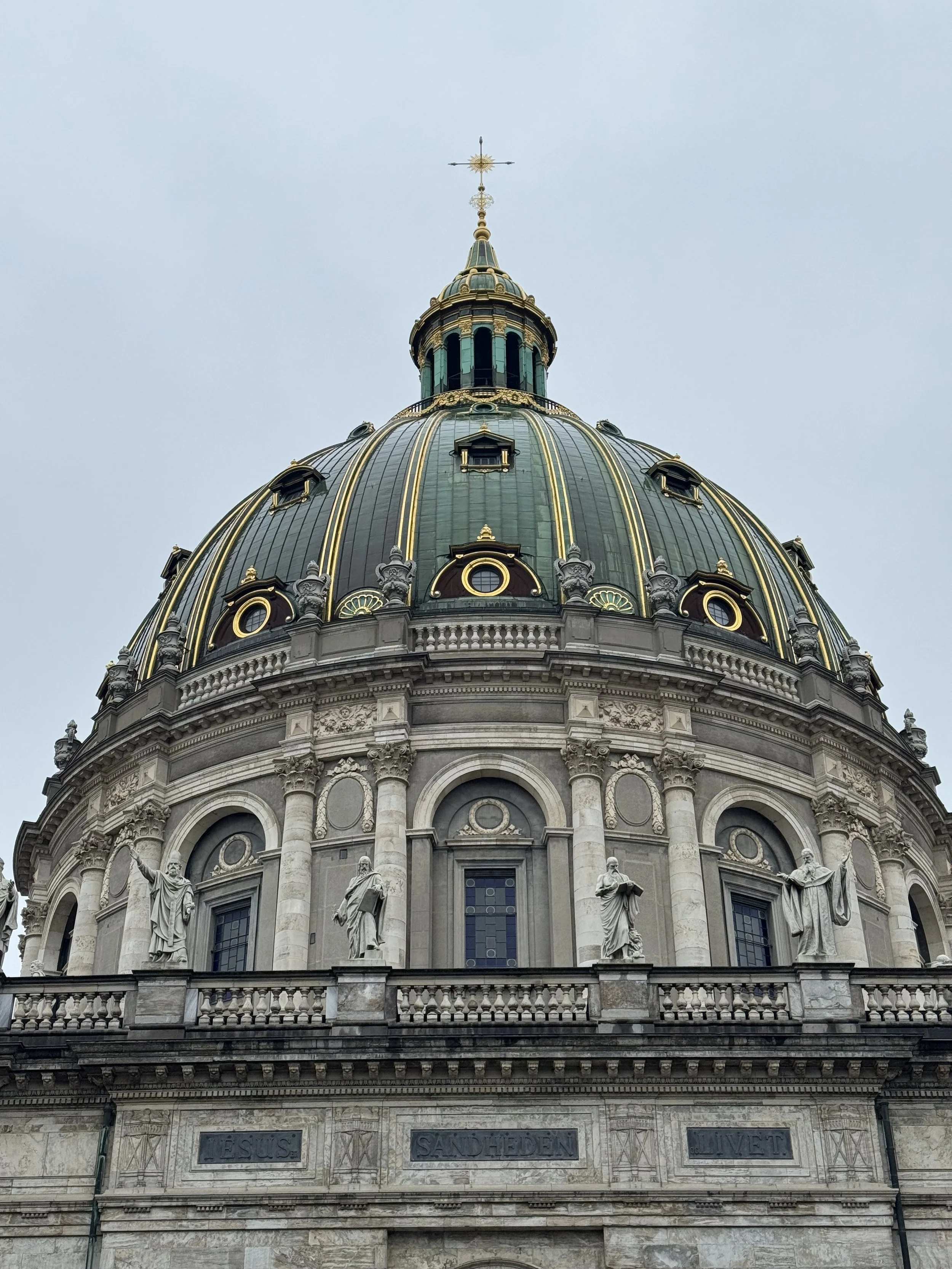
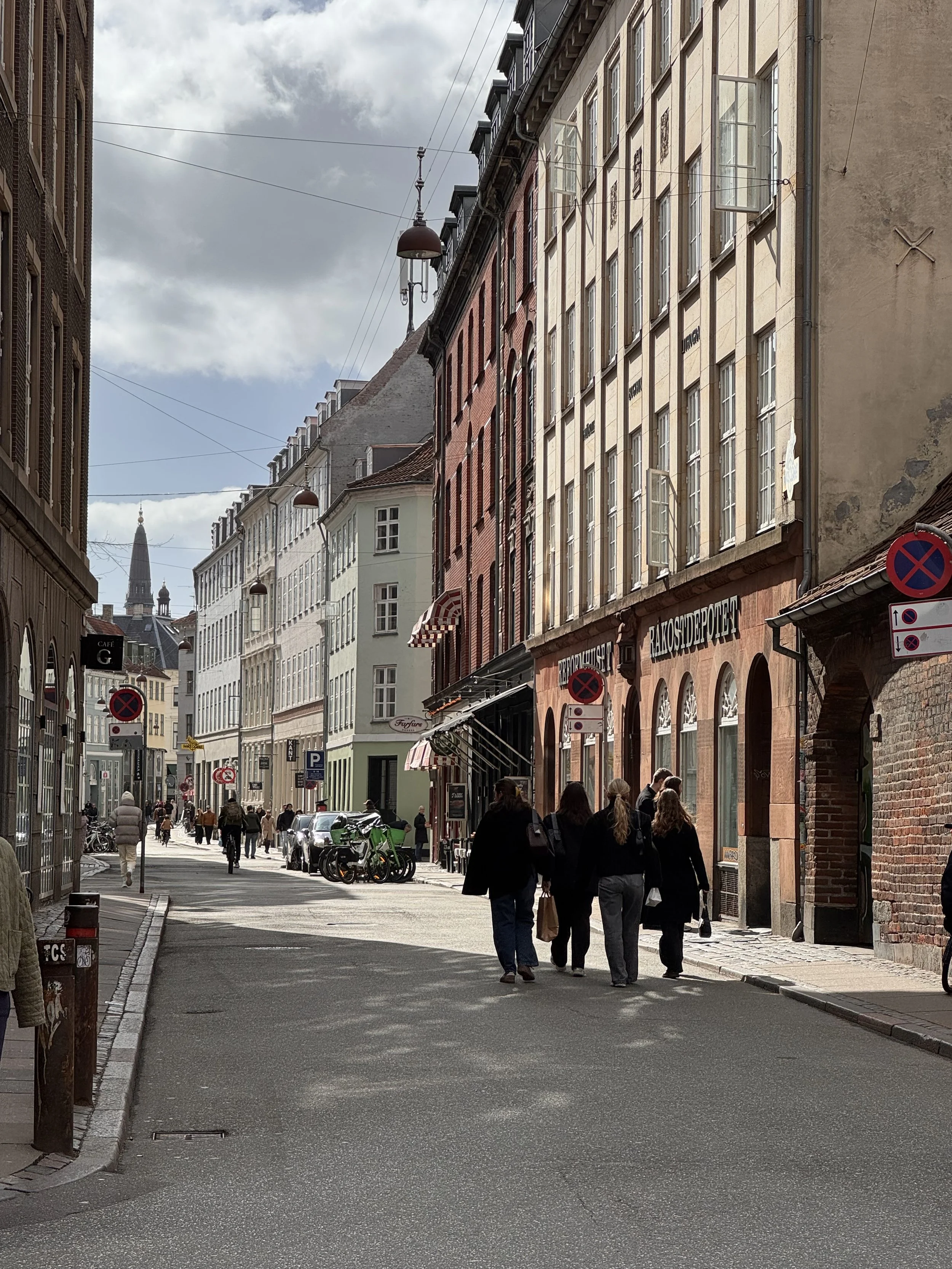
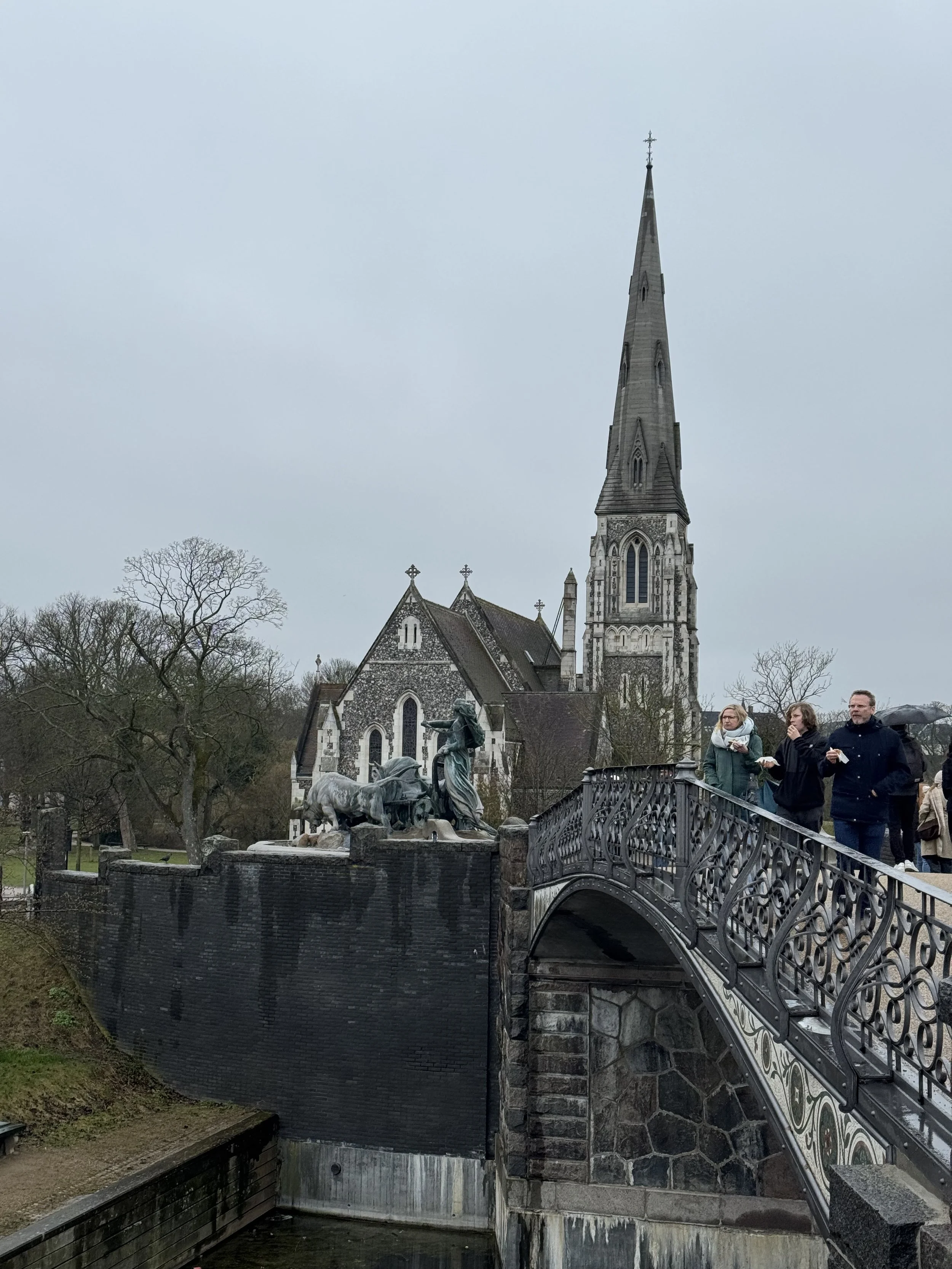
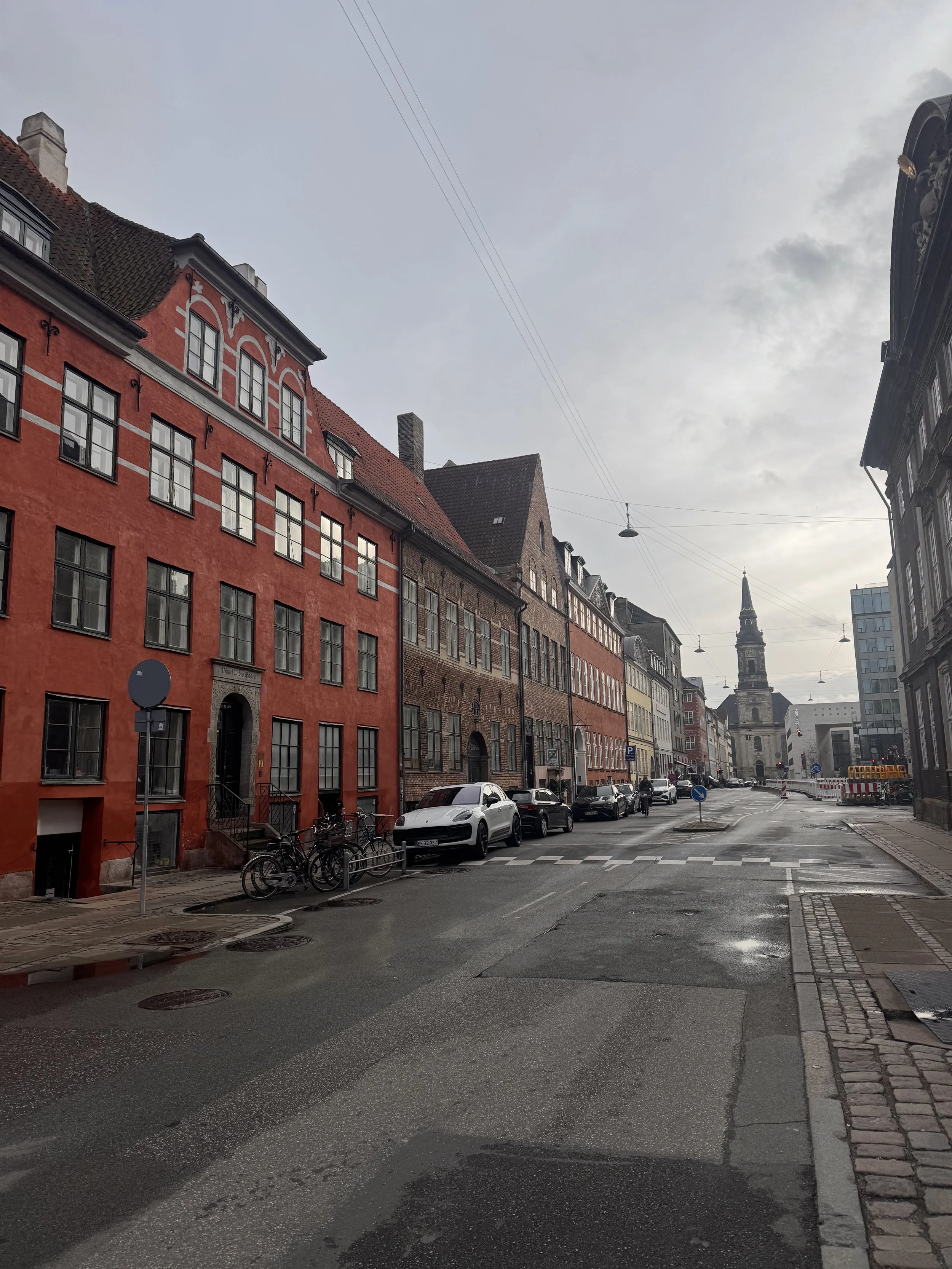
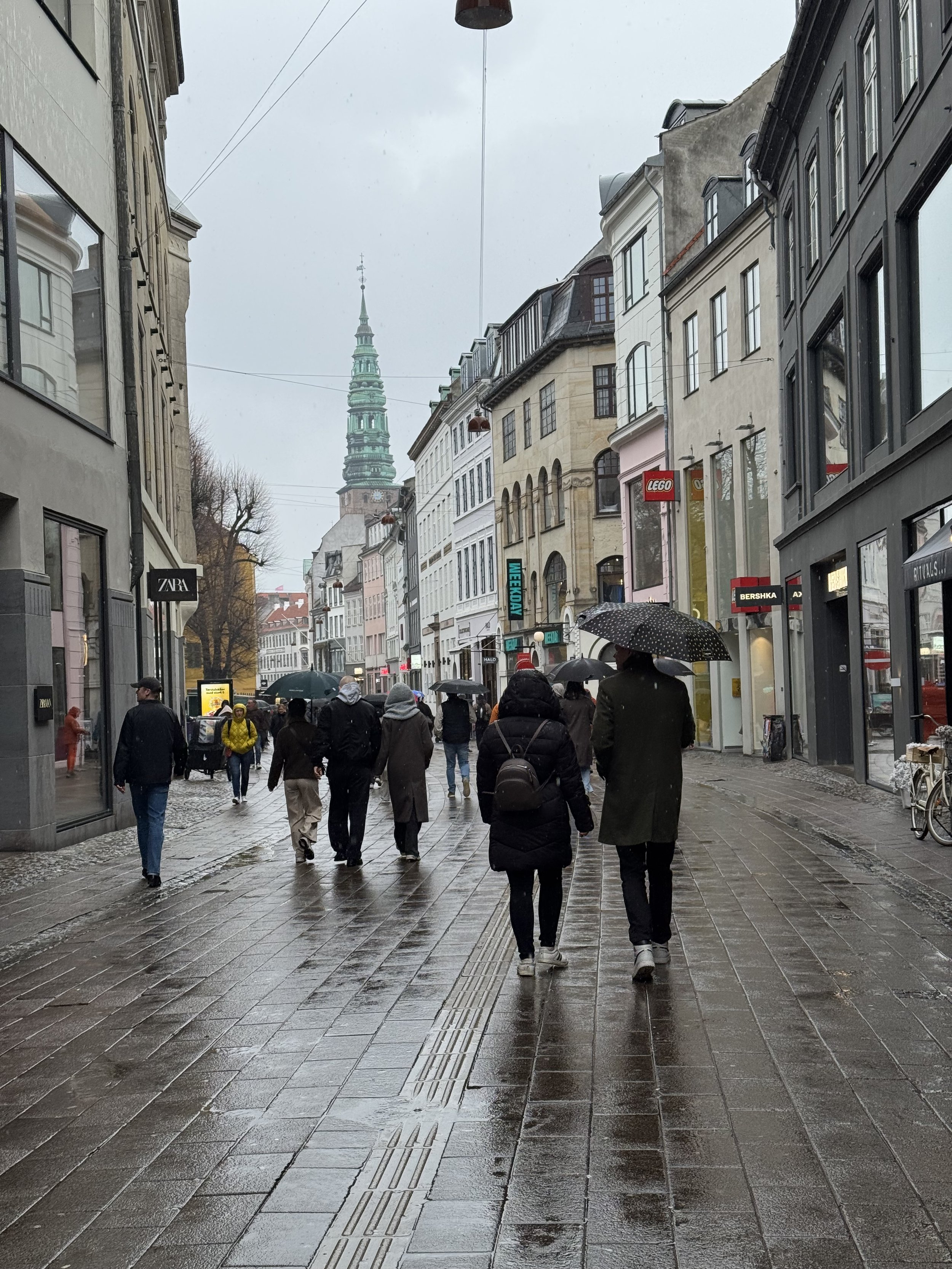
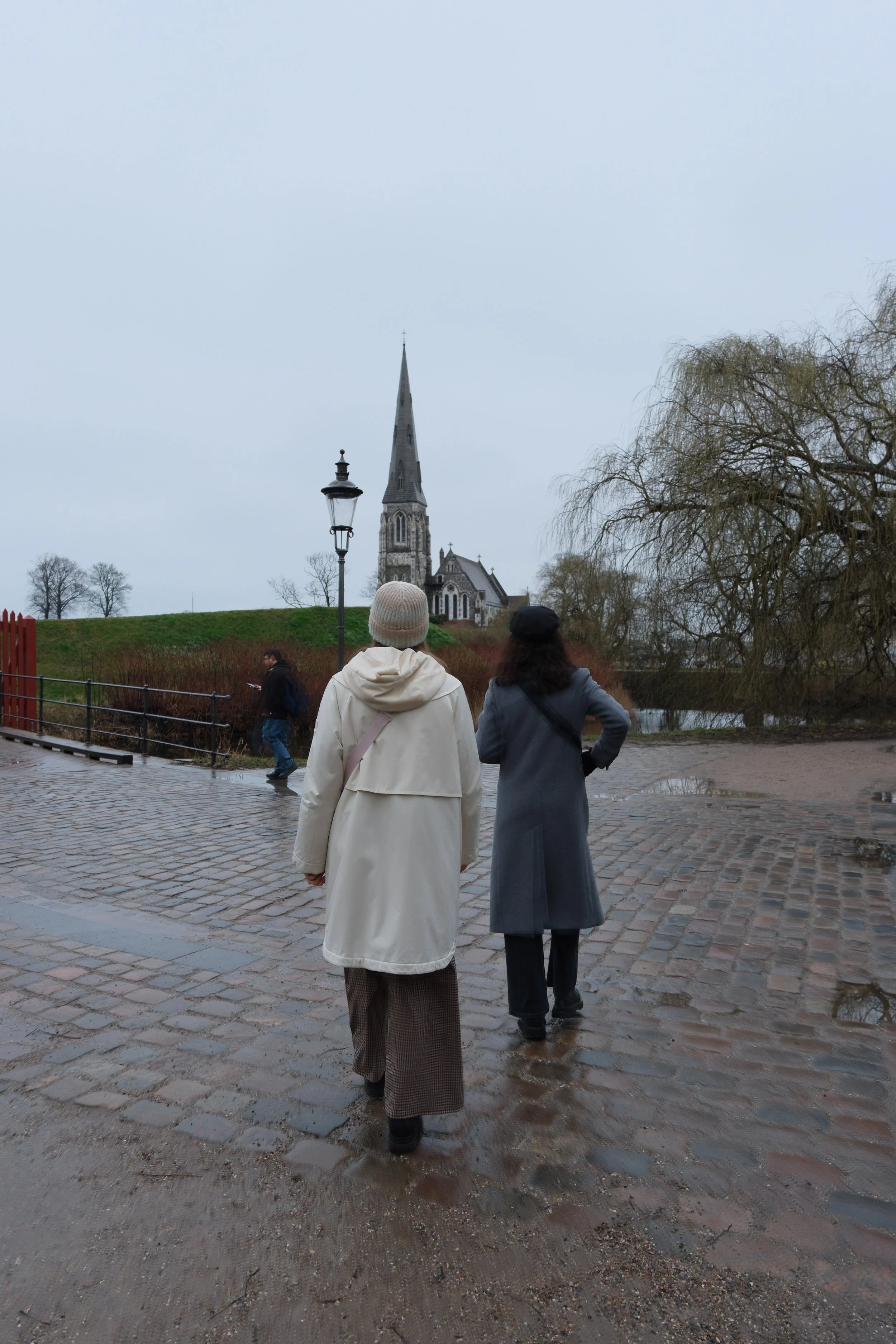
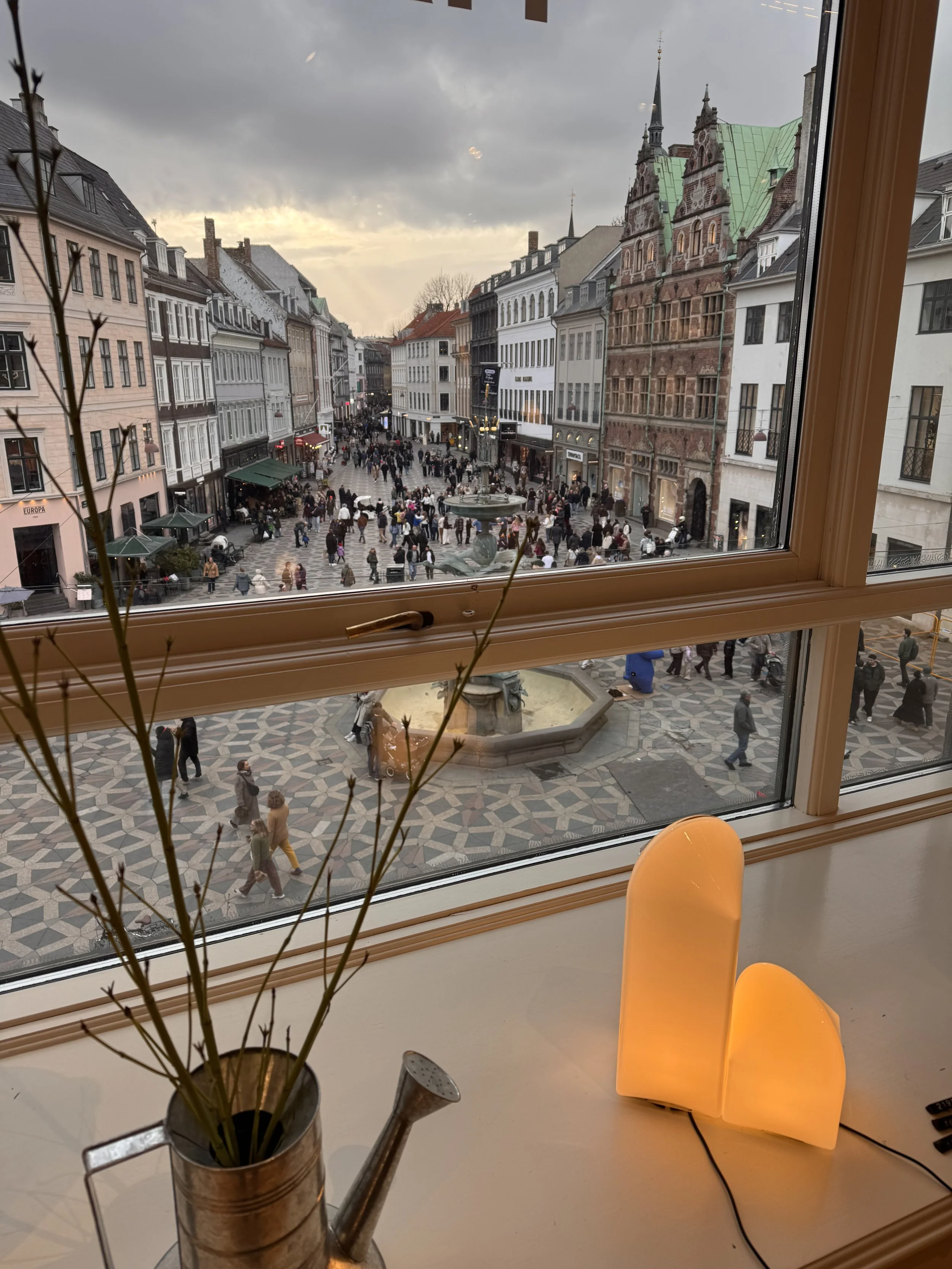
The city is beautiful. Genuinely, almost perfect. Everything is designed - the infrastructure, the buildings, the furniture, the store brands, the way the pastries sit in their paper bags. Streets are immaculate. The architecture is a perfect blend between historic and contemporary, without the awkward collision you get in other European capitals. Copenhagen seems to have solved things that other cities are still figuring out. But, at what price?
There’s a particular quality to a city that has been curated to this degree. Somewhere between perfection and personality, something gets lost. You can walk for hours admiring facades, peering in beautifully lit interiors, looking at unique garments and stunning designer objects that could belong on a mood board - and it’ll all feel like you’re pressing your nose up against glass. You can look, but the city isn’t truly letting you in.
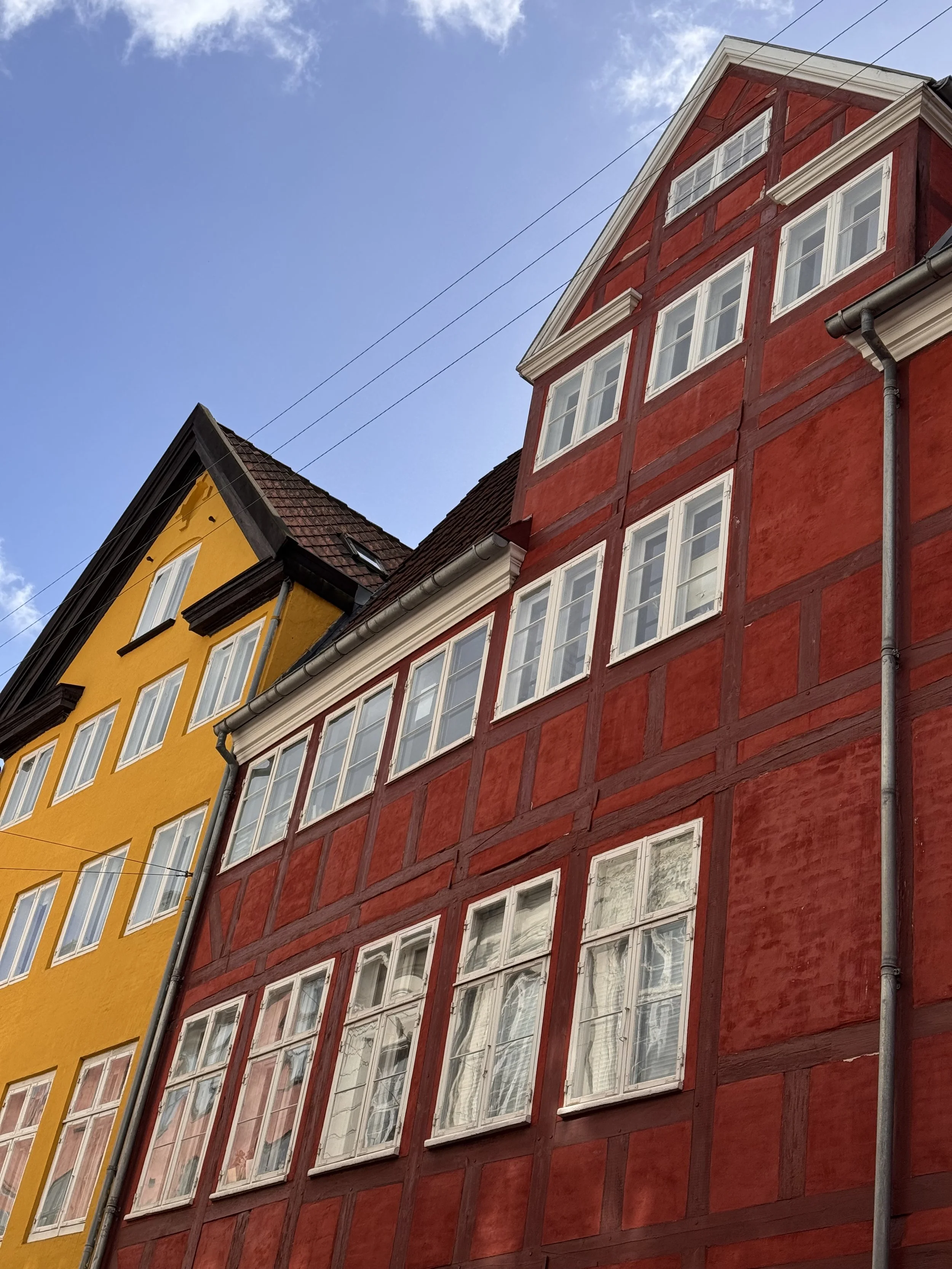
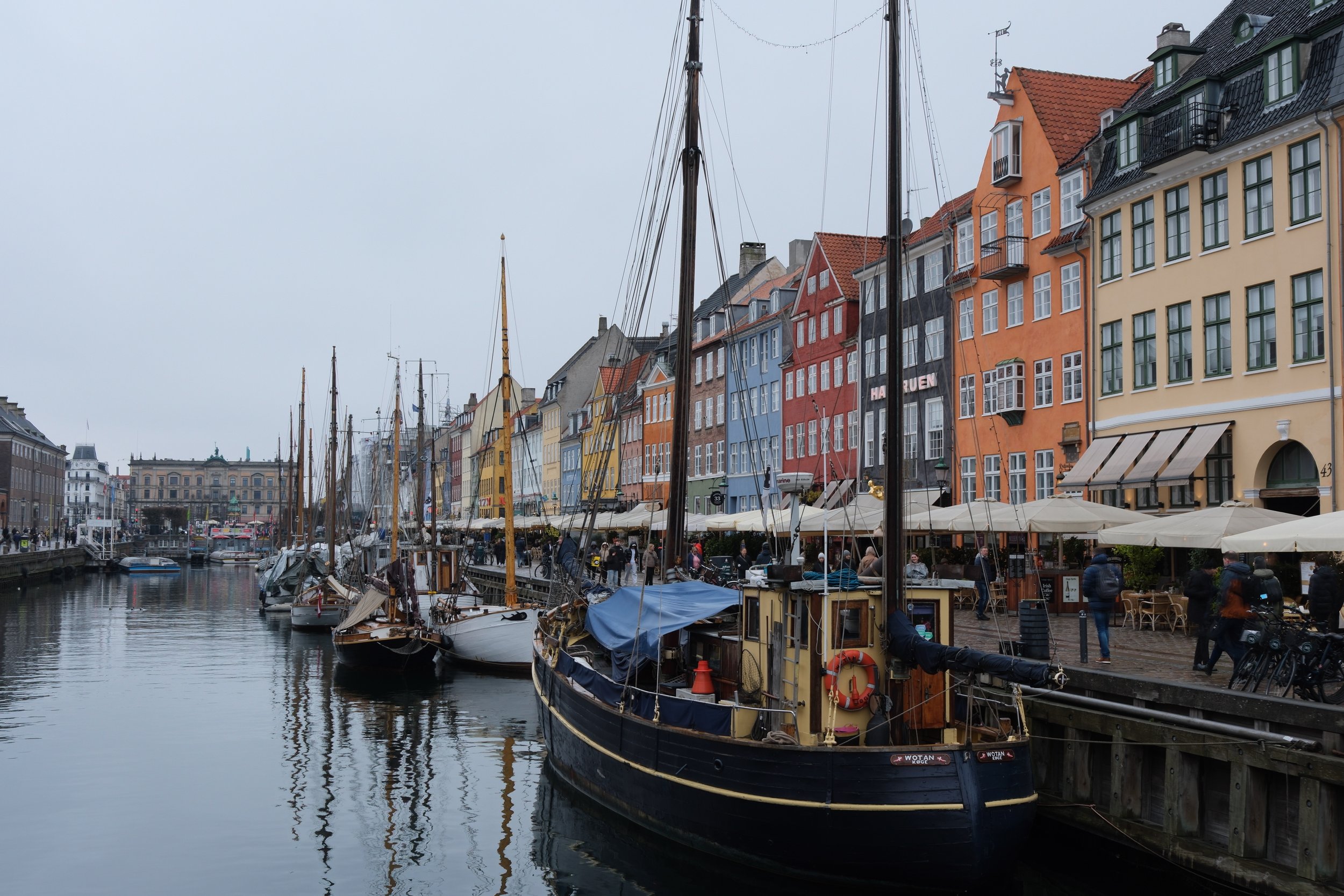
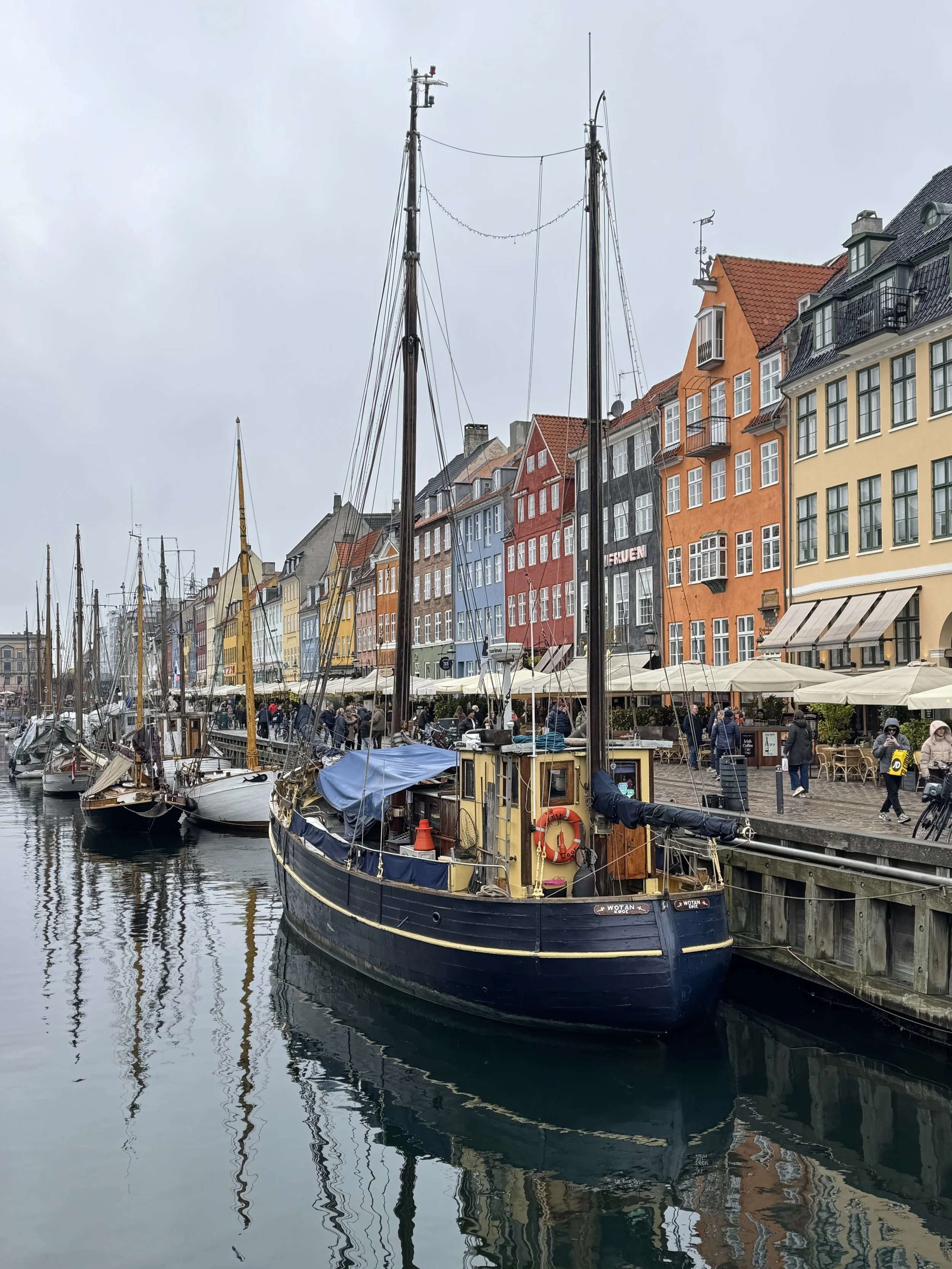
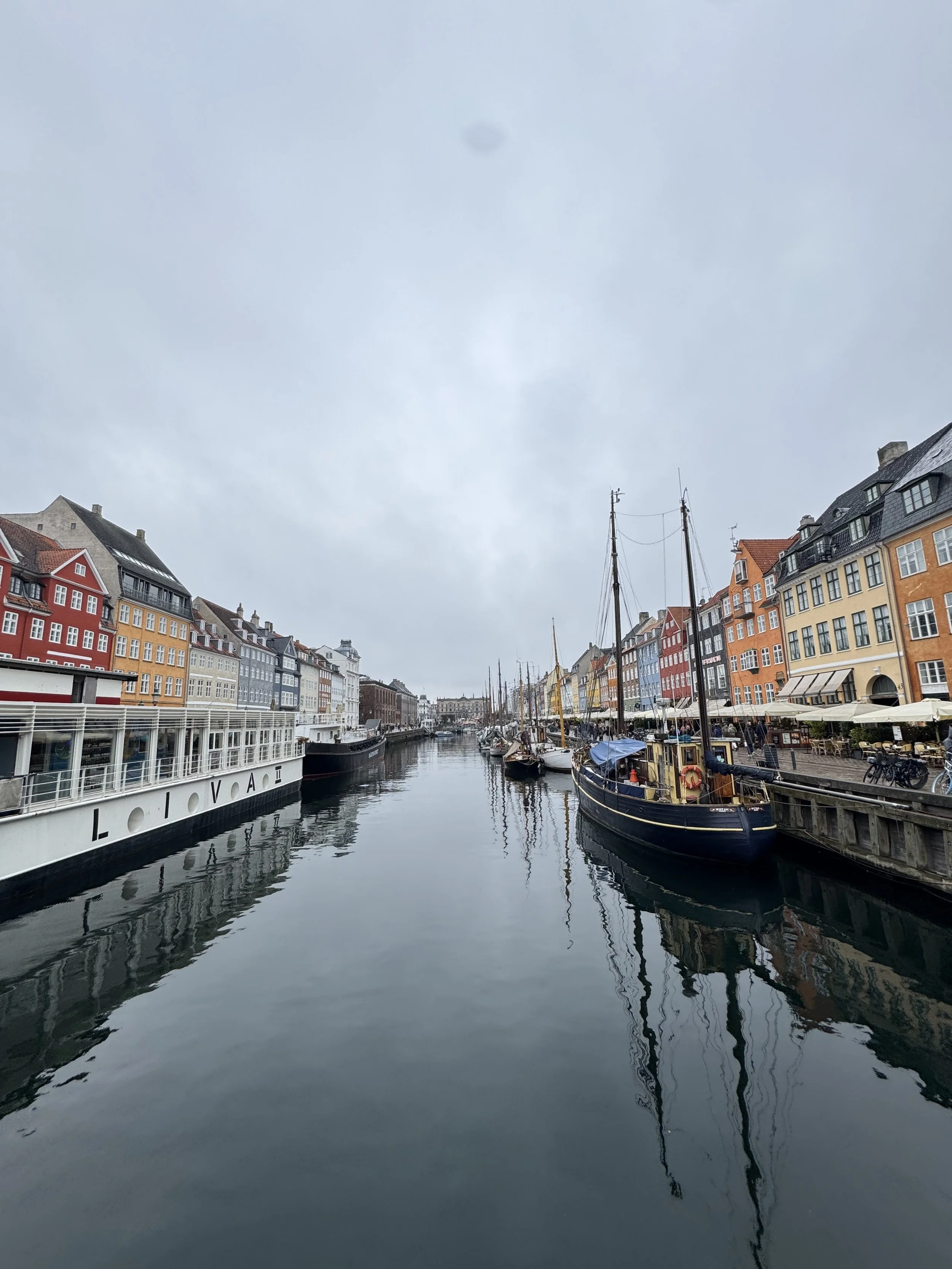
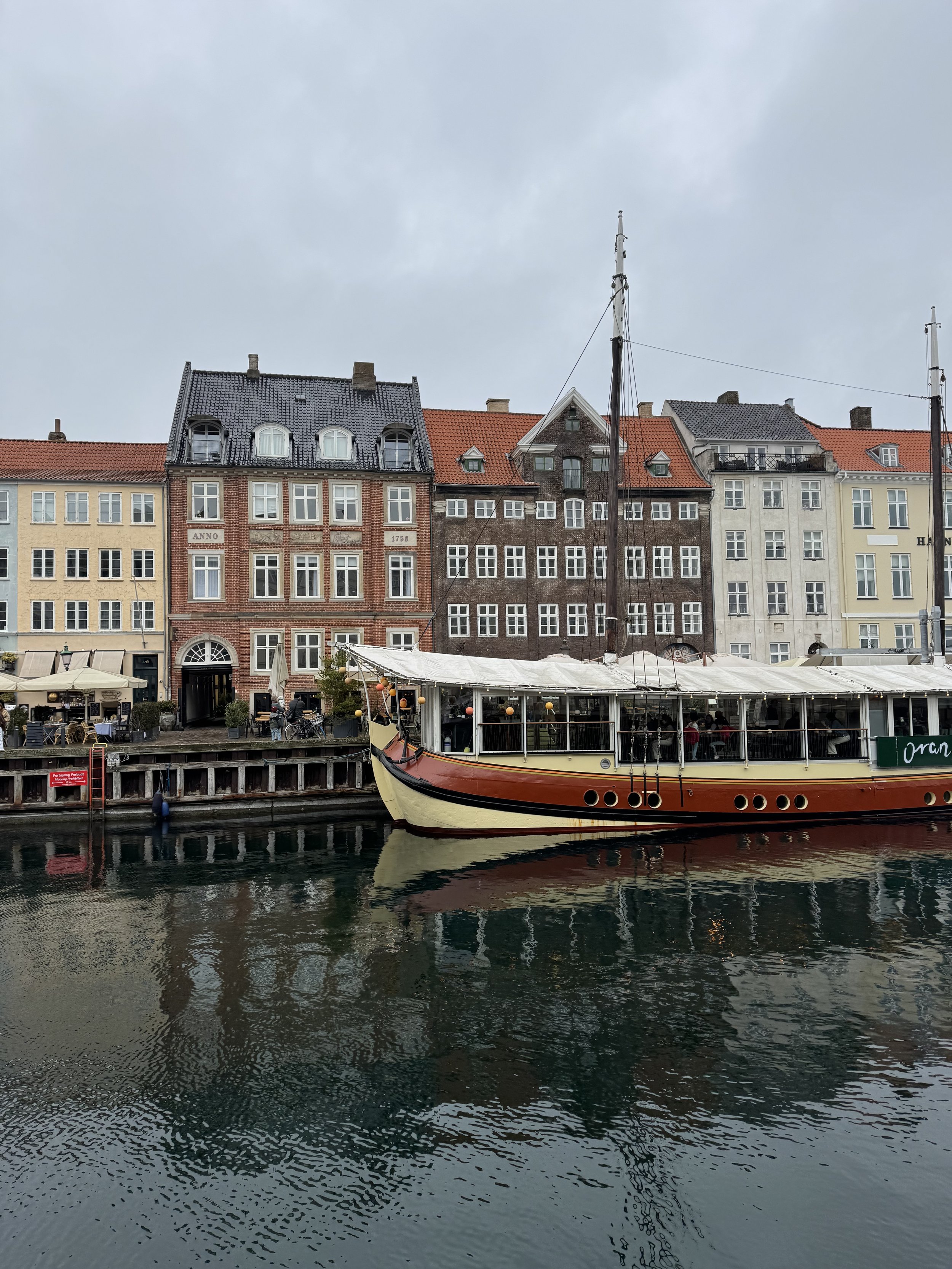
The rows of colorful houses add a layer of personality. You’ll see them everywhere around town - the ochres and reds and blues along the canals, most famously at Nyhavn. There’s an intuitive theory that the colors are a response to the grey northern light, a dose of warmth against long winters. The truth is, it has to do with the city's mercantile past. Merchants and wealthy citizens painted their buildings in distinctive colors to identify their properties - a form of pre-numbering visual branding. The pigments indicated the owner’s class: cheap iron oxides for the warm reds and yellows, richer blues and greens for the ones who could afford them.
Nyhavn is a good example of how Copenhagen does history. The cheerful colored houses line the canal that was once a working harbor district with sailors’ bars, cheap lodgings, and tattoo parlors. Hans Christian Andersen lived here, in what was essentially a boarding house in the red-light neighborhood. The same canal, where tourists now sip their Carlsberg beers in the pale sun, is where sailors navigated back to their preferred inn after dark, using the painted facades as landmarks. The city cleaned it up, made it picturesque, and did it so well you’d never know.
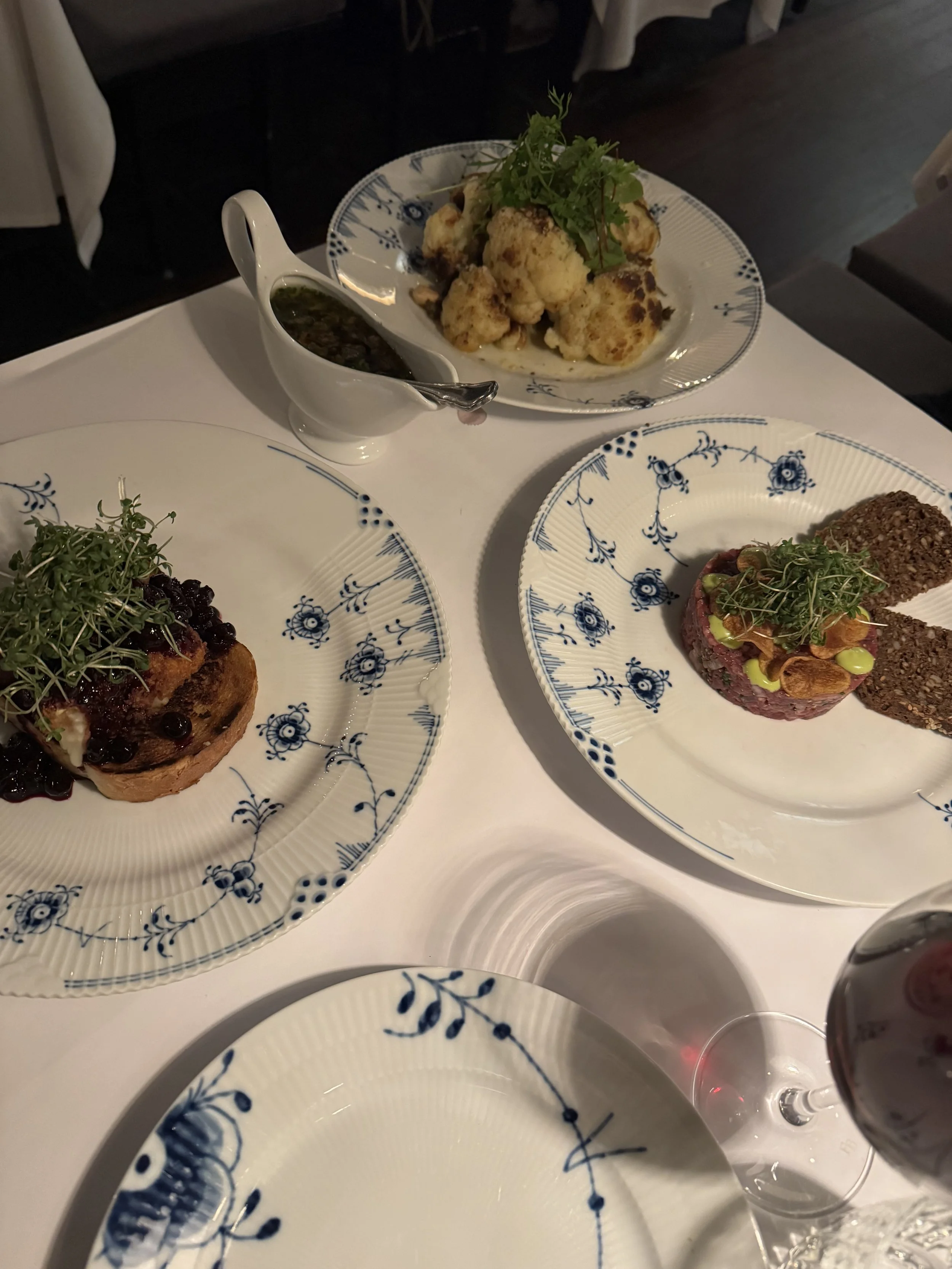
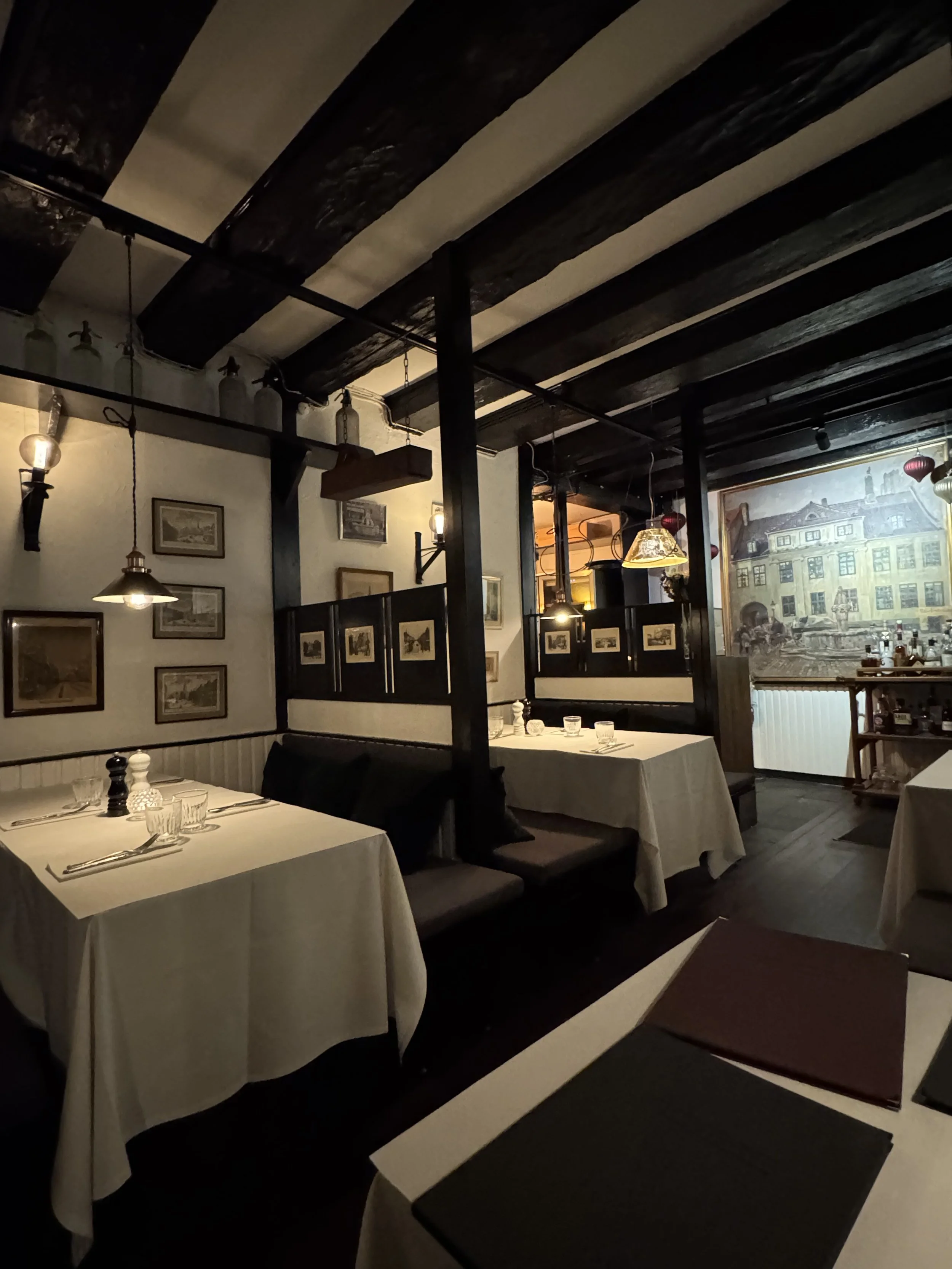
One thing that is really outstanding in Copenhagen is the food scene, and in a weekend, we tried to alternate a few of the many delicacies. The first dinner was at Restaurant Puk, slightly below street level, windows lined with books, each table divided into a sort of wooden stall hung with portraits of Danish royalty. The plates were white ceramic with royal blue floral decoration, hearty and unfussy. Try the schnitzel, the steak tartare, and the very good cauliflower dish - all flavors are mild but well-balanced. The wine was not remarkable, but then, as an Italian, perhaps my expectations are unreasonably high for Denmark.
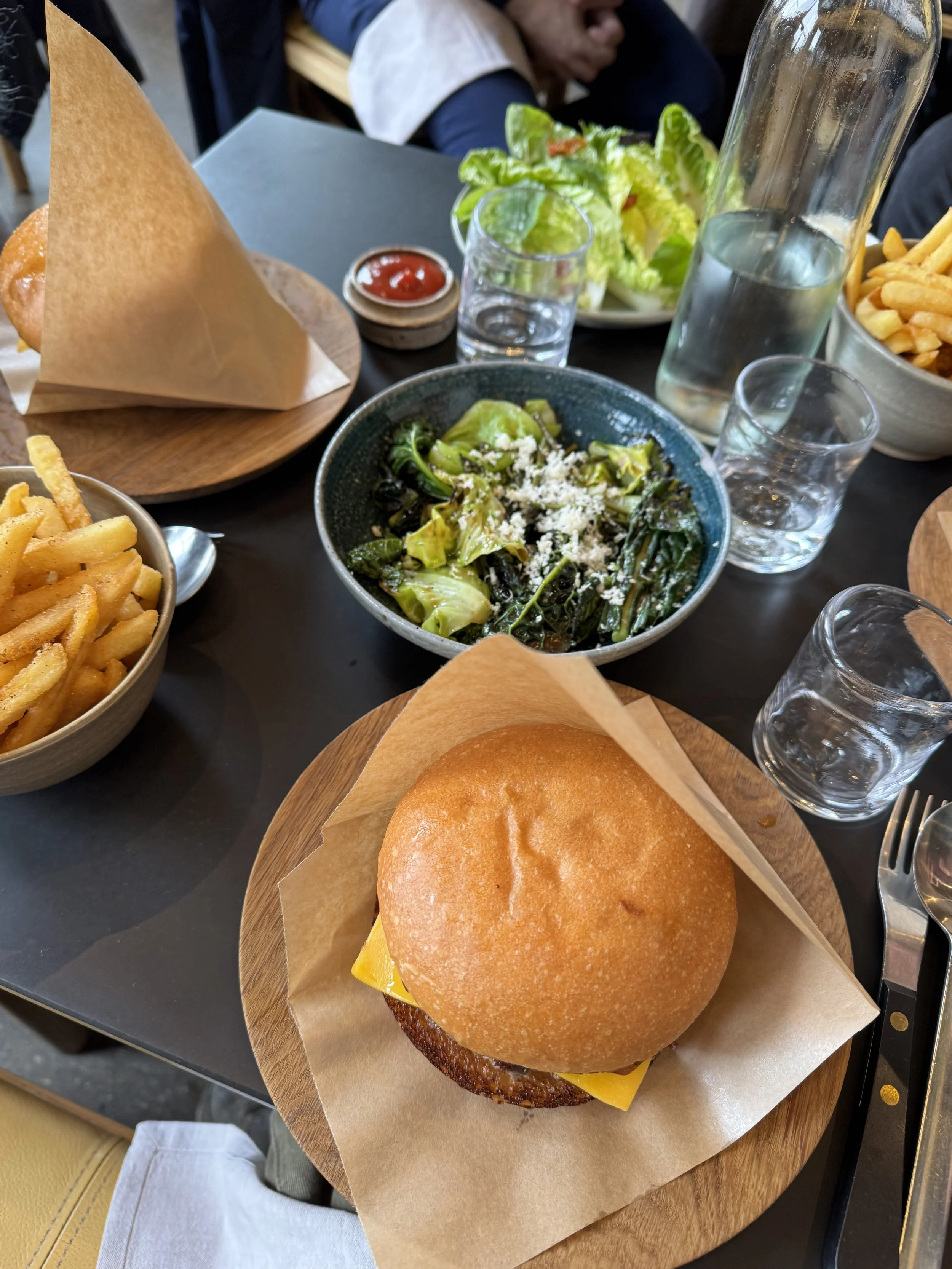
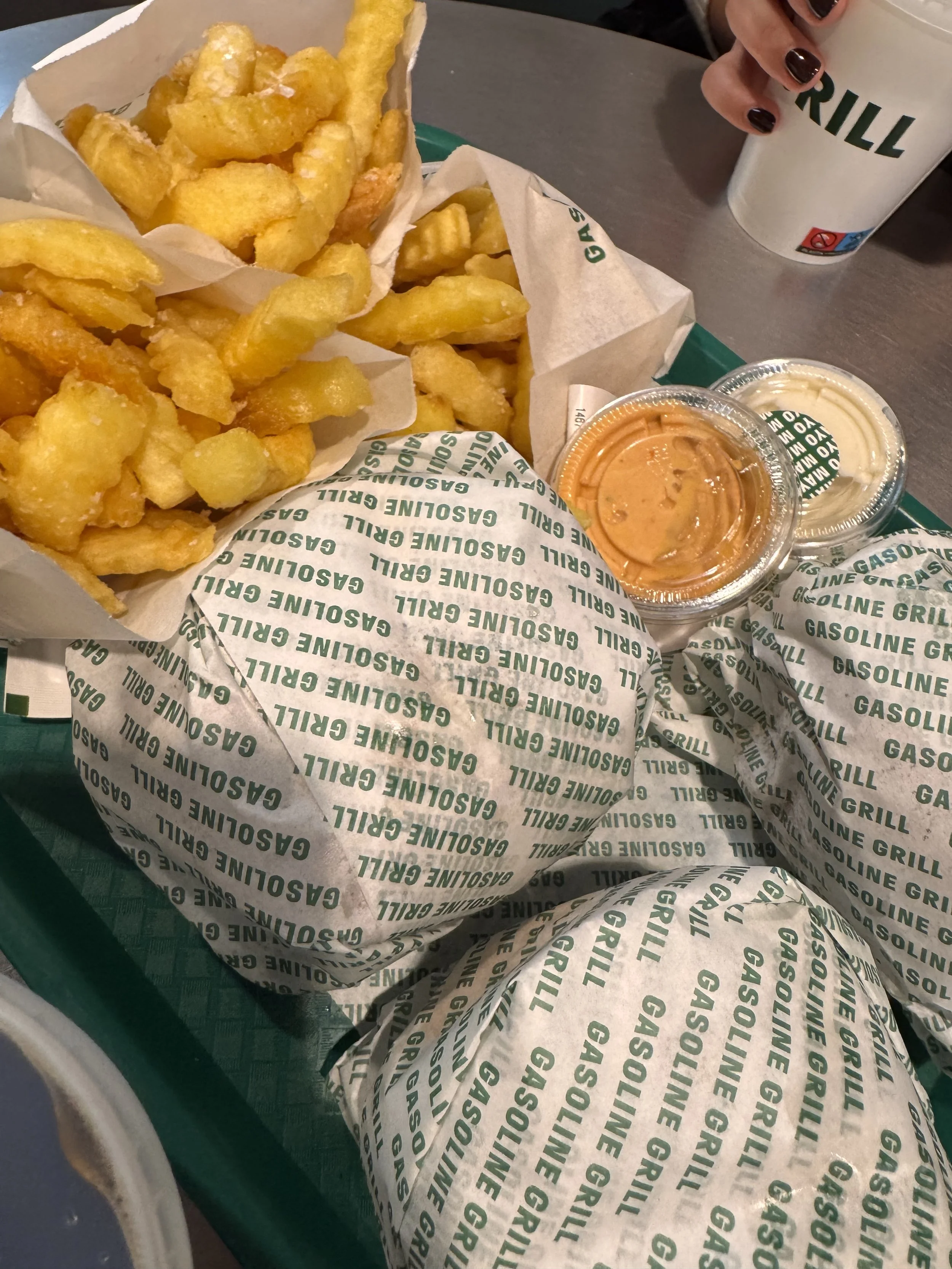
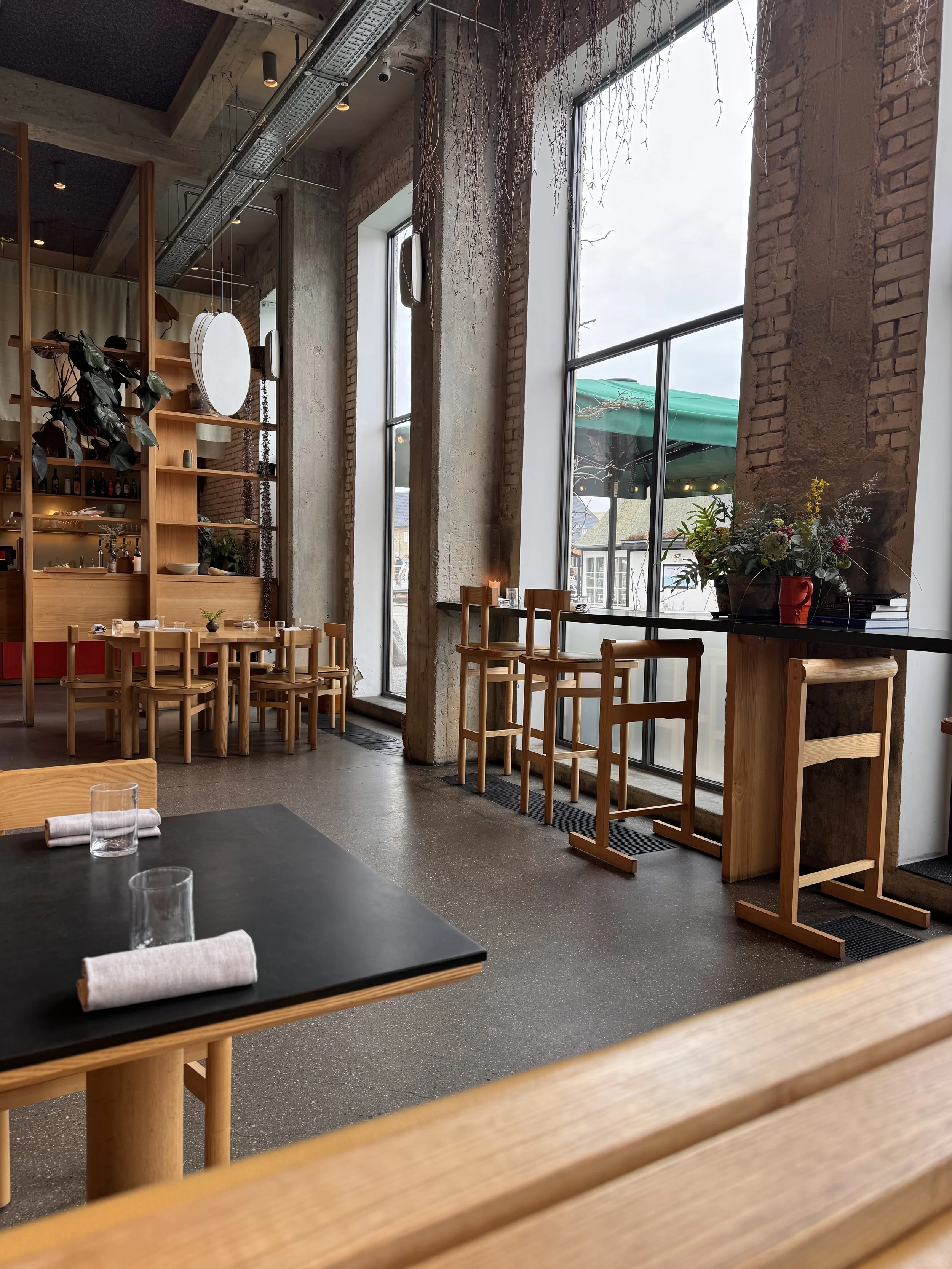
Lunch the next day at POPL, the burger restaurant from the Noma group, was a different kind of experience. The space — bare concrete columns, wooden shelves, greenery, a few carefully placed art pieces — manages to feel casual, but nothing is out of place or random. The menu is fixed and deliberately minimal: a choice of burgers, fries, a warm, tangy broth to start, and a crunchy kale salad alongside. The fries are seasoned with something citrusy and lightly spiced that I spent the rest of the day trying to reverse-engineer. Another must-try burger on your tour is Gasoline Grill, which is closer to classic burger joints. The first one opened out of a former gas station - that’s where the name comes from. The menu is simple, but has several options, juicy ground organic beef patties, and tasty but soft buns. You’ll enjoy every bite.
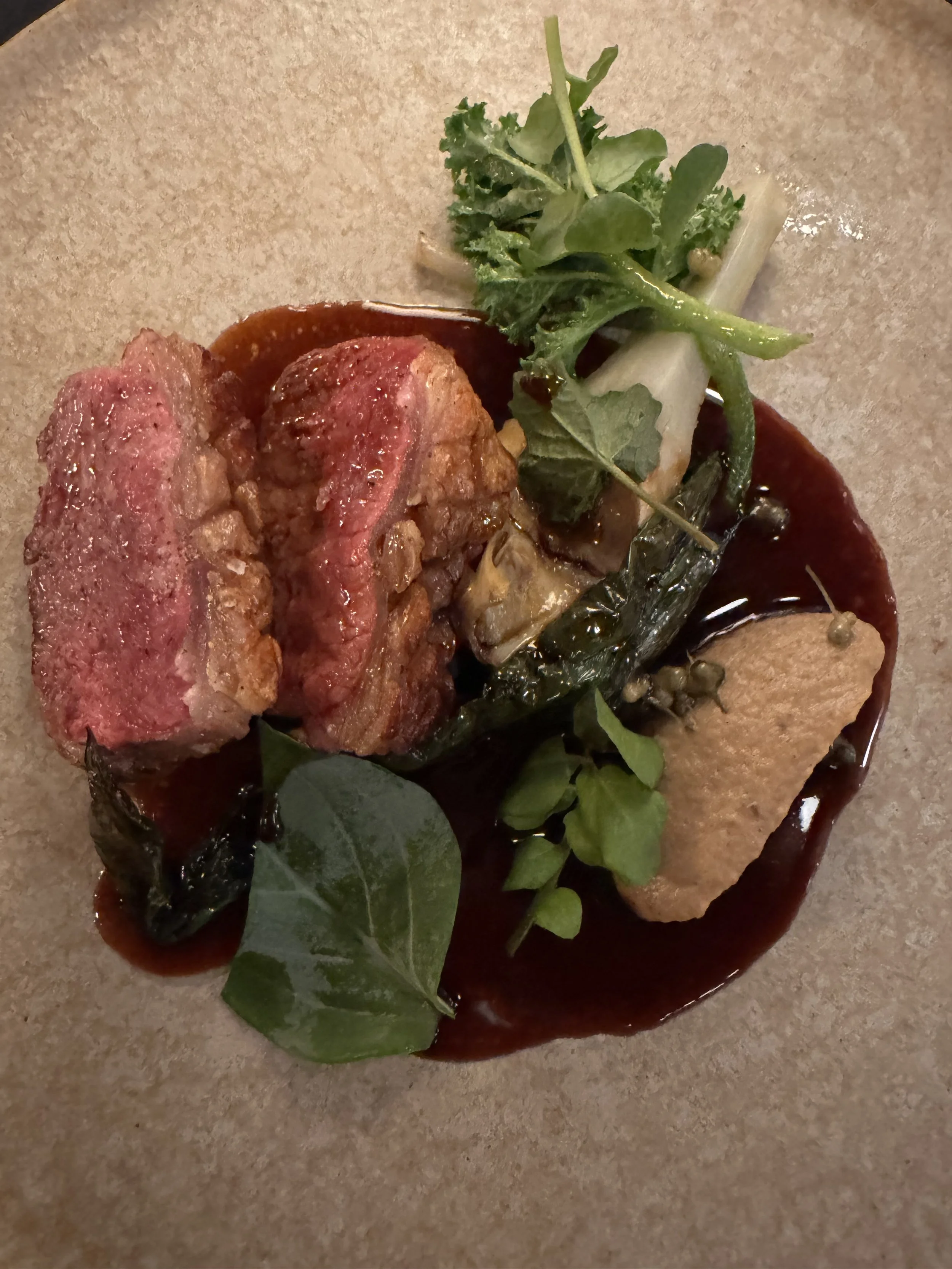
Dinner is where Copenhagen takes itself most seriously. At Uformel, my patience with concept dining was tested. The restaurant is the informal sibling of Michelin-starred Formel B, and the cooking has genuine moments — a very good lamb, a dessert worth finishing. But when one of your appetizers is a small bowl of olives, and another is a cracker the size of a coin, you start to wonder whether the minimalism is culinary philosophy or portion control dressed up in Scandi aesthetics.
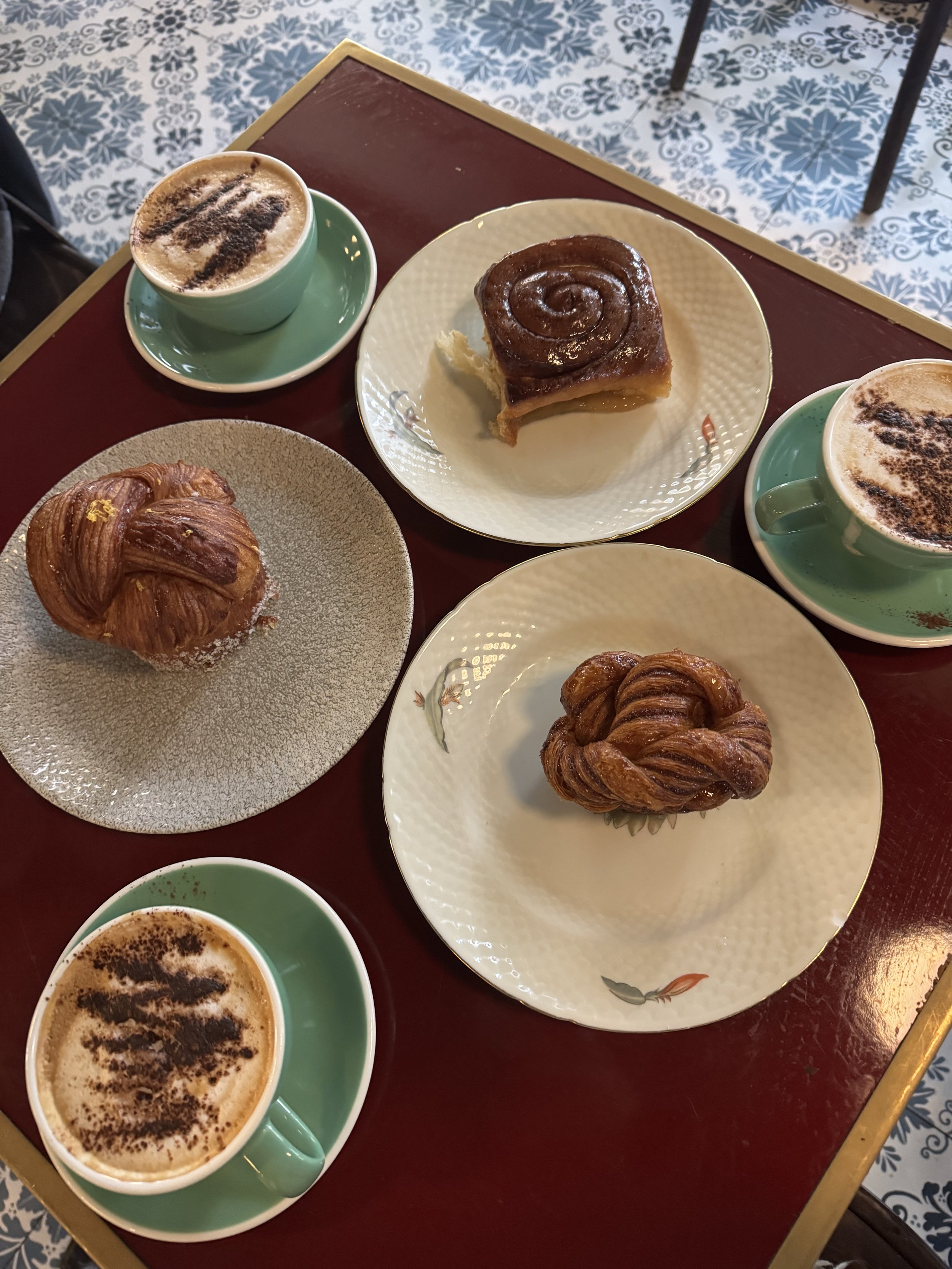
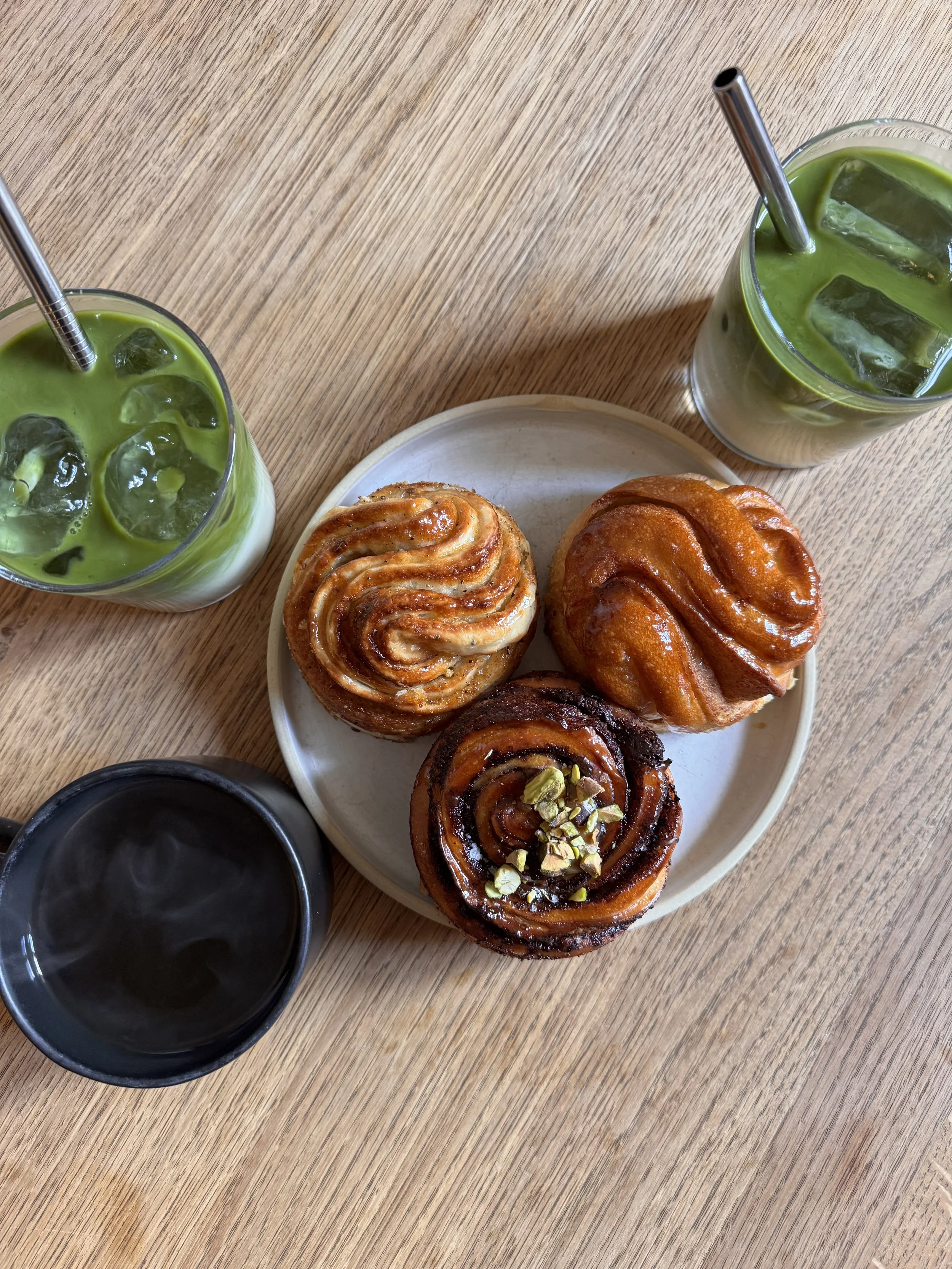
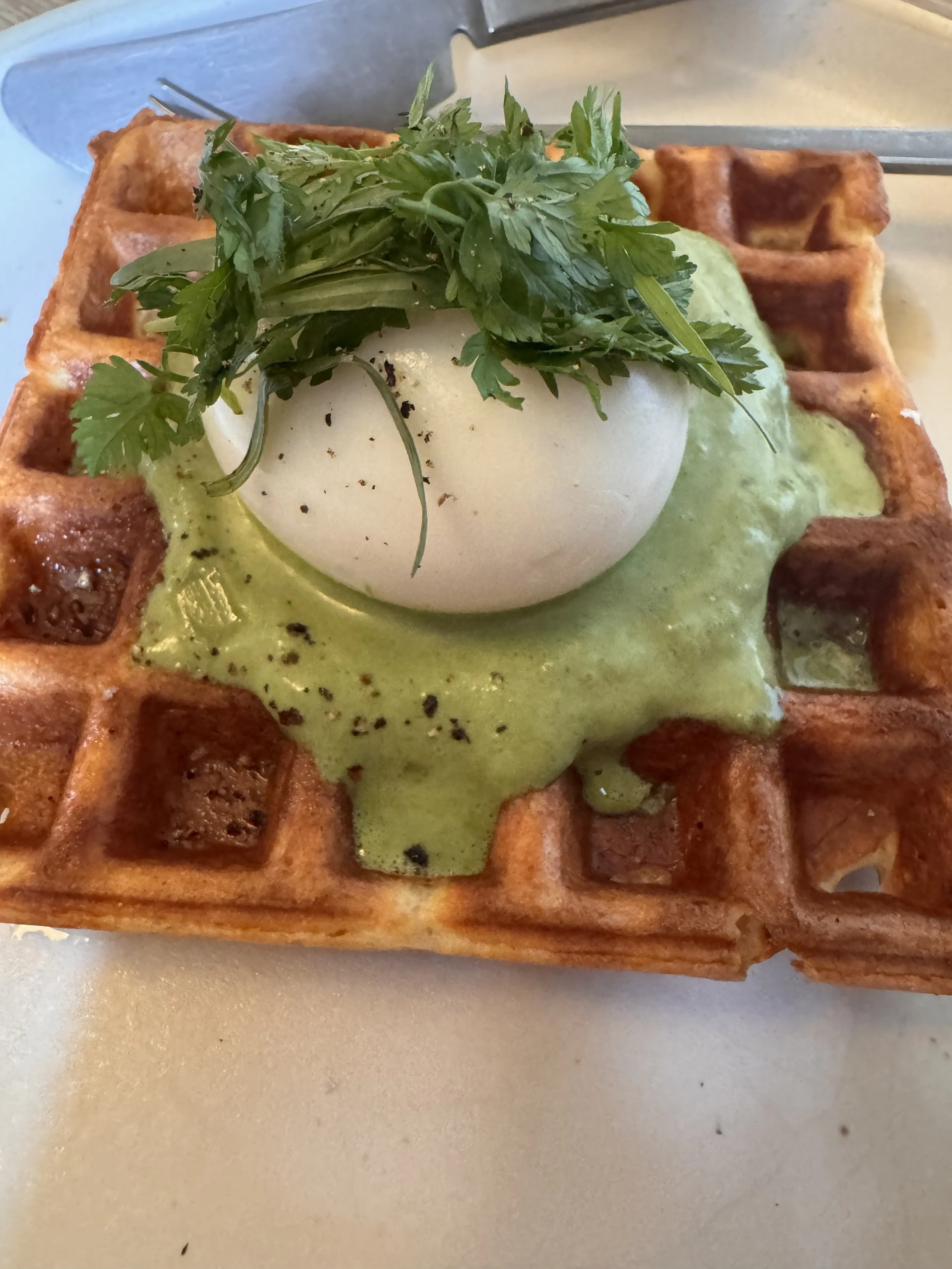

For pastries, Copenhagen is without argument. Buka Bakery gave us a brunsviger — a yeast-based cake topped with a gooey brown sugar and butter caramel — that was the best thing I ate on the first morning, not too sweet, honest, and satisfying. Apotek 57, tucked inside the Frama design store near Nyboder, operates on a different register entirely: a cardamom bun that was almost architectural in its precision, a chocolate bun with pistachios, a savory waffle with egg and herbs, an oat milk matcha that had no business being as good as it was. Get there early. The queue forms fast, and for good reason. Once inside, the calm aesthetics - an aluminum chair, a stained glass window overlooking the courtyard - give you something to look at while you savor your food. Which, here, you’ll want to do slowly.
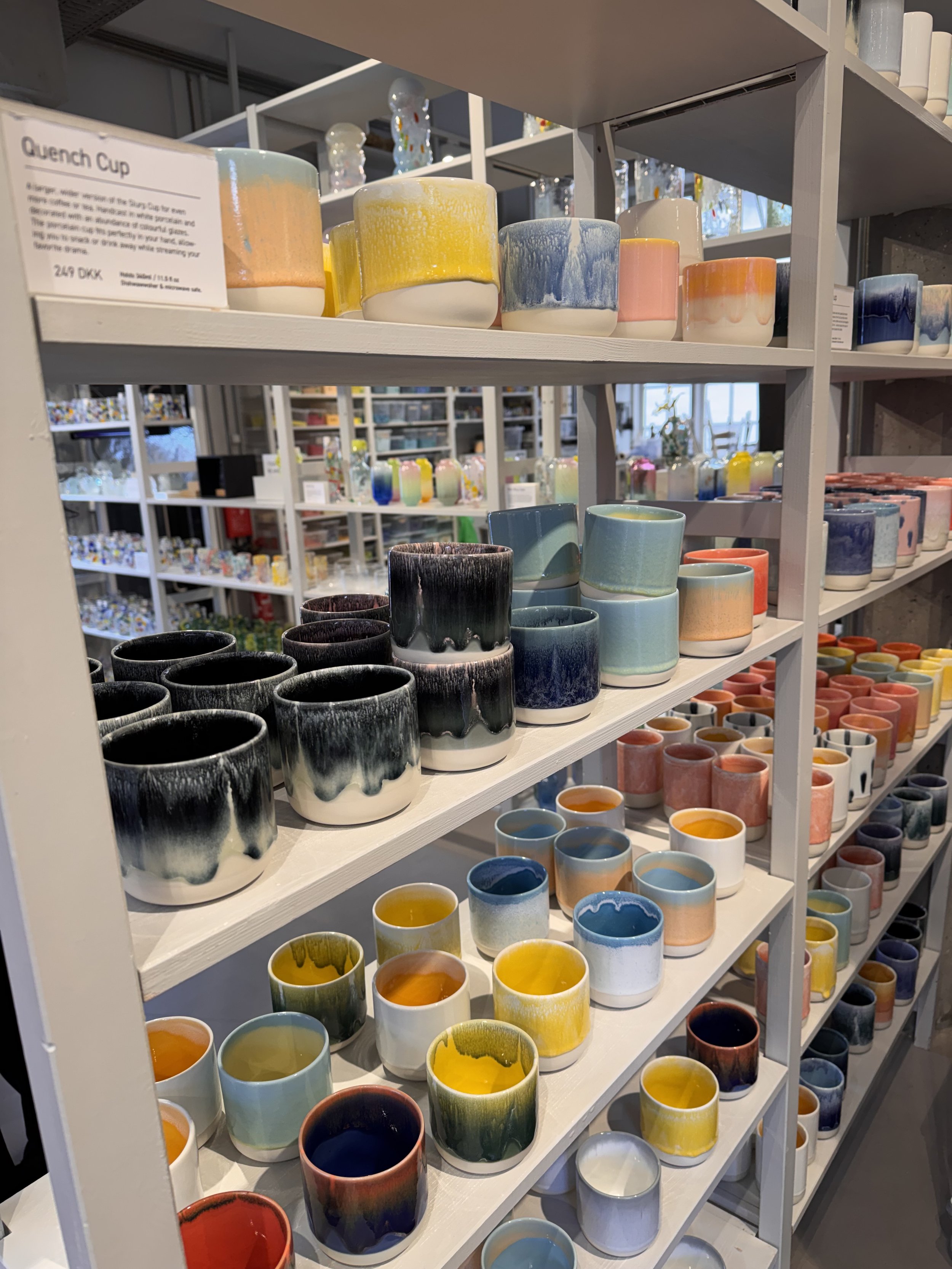
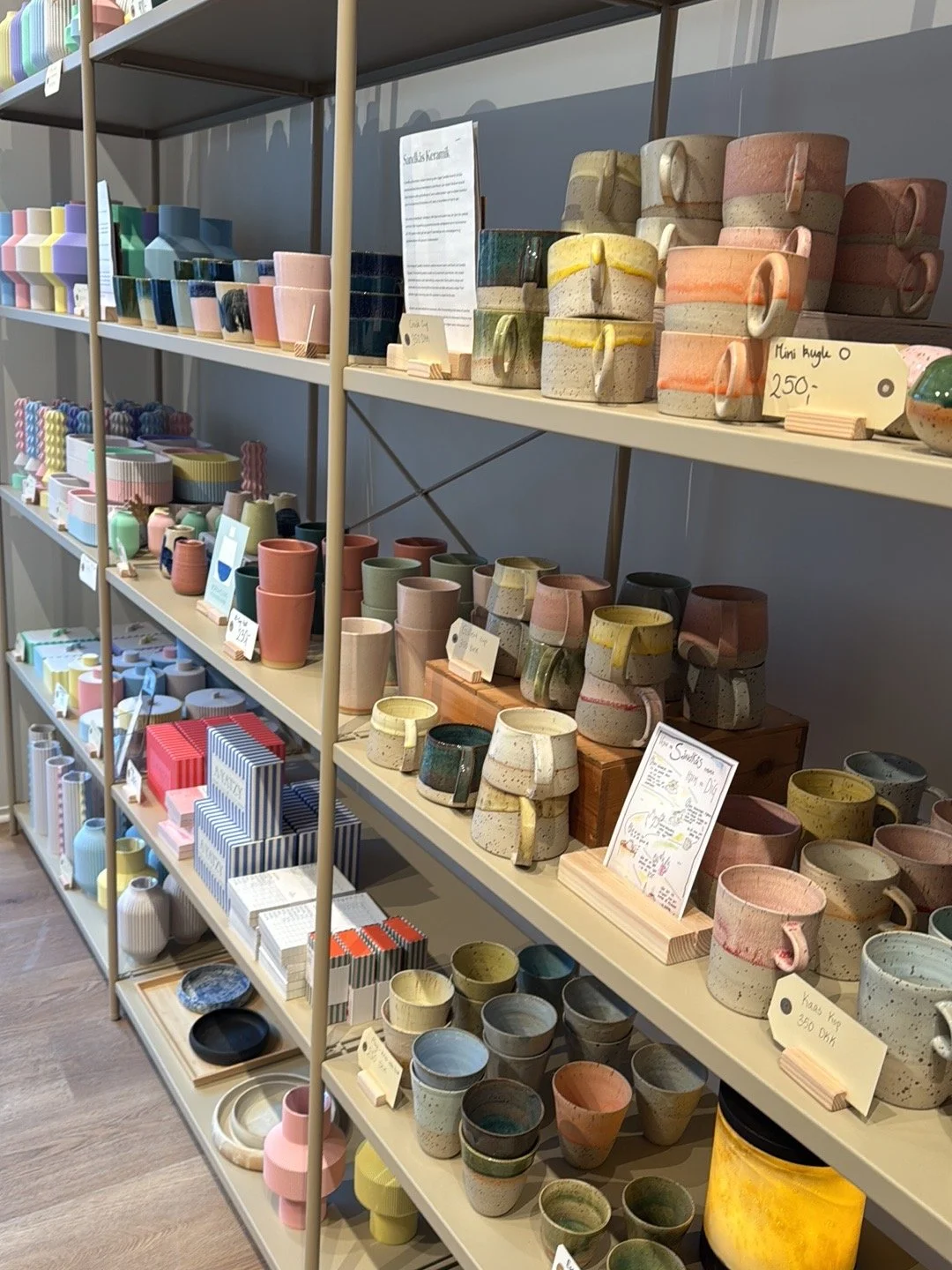
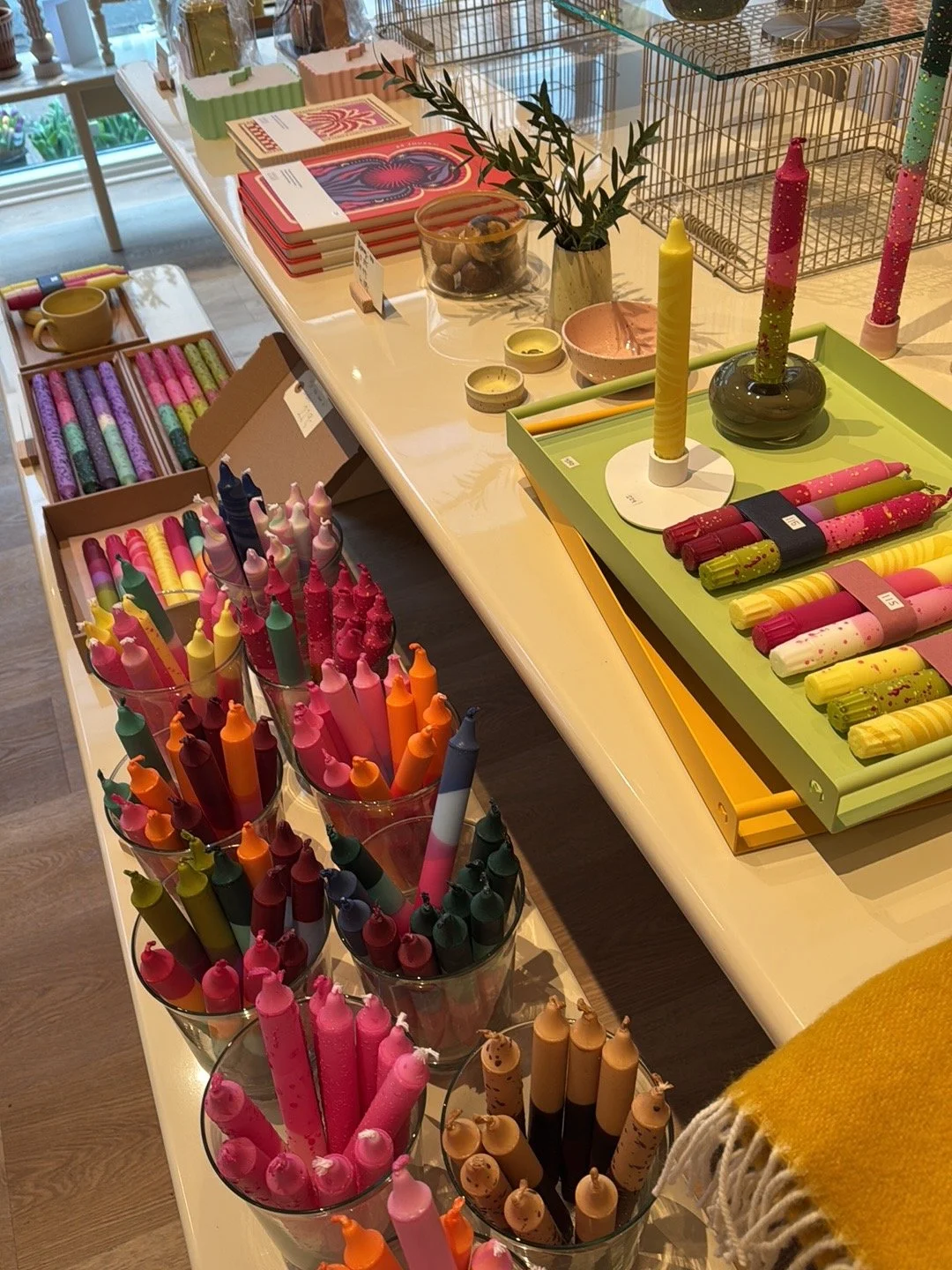
Copenhagen is also, quietly, one of the more expensive cities in Europe, which somehow feels appropriate. The distance has a price. That said, a few shops are worth the detour — and the occasional splurge. Studio Arhoj on Skindergade is worth a stop for its handmade ceramics and glass — each piece is essentially a small artwork, and the prices are more forgiving than most things in the city - as is Choisi, a stop further away from touristic routes but perfect for ceramics and artisanal objects. HAY House is the design brand incarnate: beautiful objects for the home that make you want to redecorate on the spot. For higher-priced but unique fashion, Henrik Vibskov carries the most distinctive local design sensibility, while Storm stocks a tight edit of international niche labels. Ganni's outlet is worth tracking down.
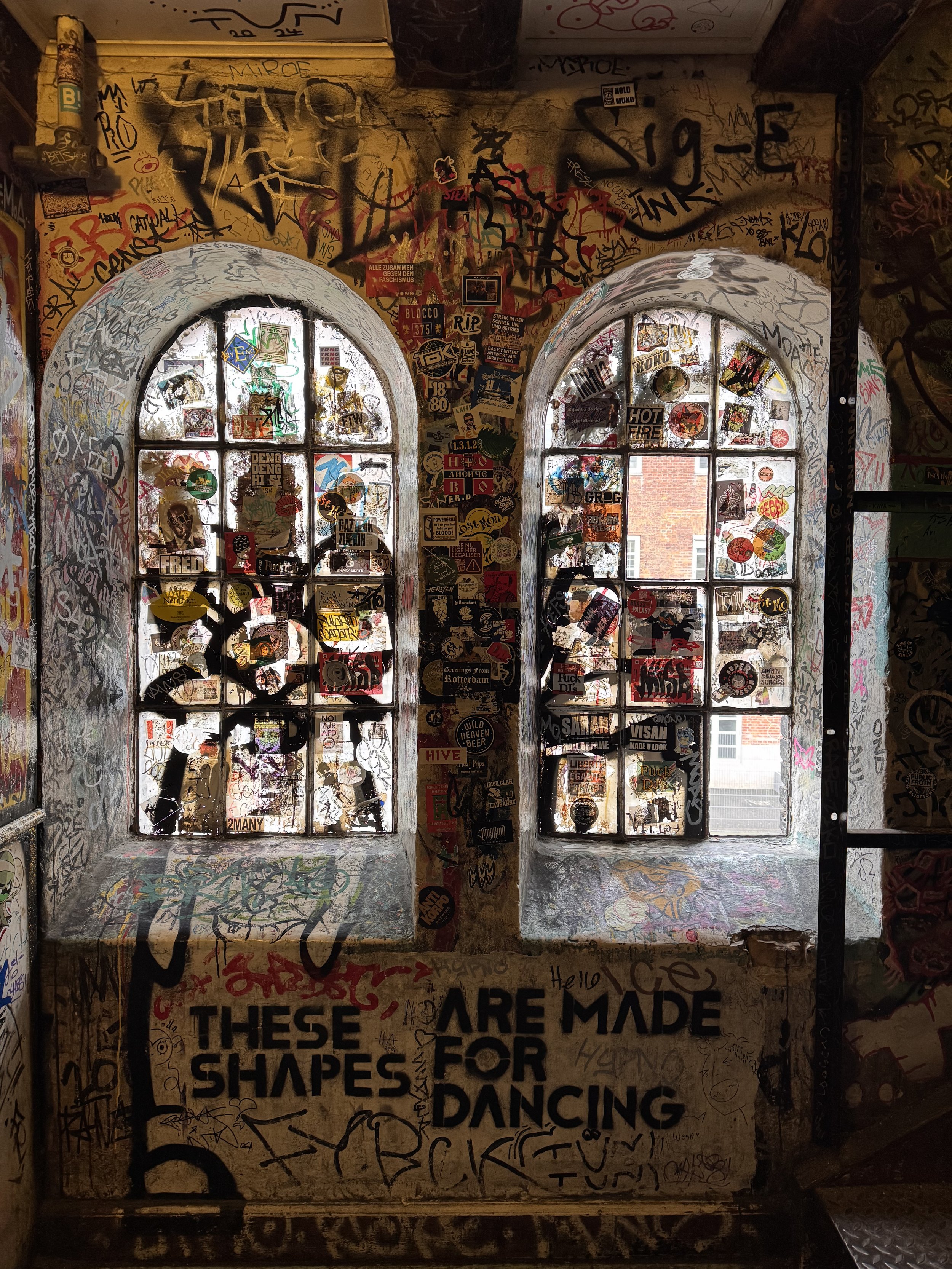
Then there is Christiania. I expected a street. What I found was the entrance to a different town.
You walk through an entrance in Christianshavn, and the city you've been navigating for two days simply stops. The air changes. The sound changes — more voices, more life, a different quality of noise. The buildings here were not designed. They accumulated. A house covered in mosaics and ceramic snails, a corner turned into a skate ramp, a dark staircase covered in graffiti and stickers leading up to a small gallery selling prints and artists' books. An auction was happening when we arrived, quiet and unhurried, indifferent to the tourists passing through.
The origin story is almost too good to be true. In 1971, a group of locals broke through the fence of an abandoned military barracks — not to make a political statement, initially, but because the neighborhood needed somewhere for children to play. Within weeks, hundreds of people had moved in: artists, anarchists, young families, people who had nowhere else to go. They declared it a free town, wrote their own rules, and have been negotiating their existence with the Danish state ever since. In 2012, they collectively purchased the land — partly through the sale of "Christiania bonds" to supporters around the world — and secured, for the first time, legal ground beneath their feet.
What history doesn't fully capture is what it feels like to be there. Families on bikes, kids in a sandpit (even under the drizzle), people drinking beers around in the afternoon at ease with themselves and the world. Everyone seems to have something going on — a small shop, a workshop, a project. The locals are welcoming in a way that is practical as much as it is ideological: they depend on visitors, and they know it, and so they make the place worth visiting. It was the first moment in the entire trip where I felt a city — or whatever this is — actively trying to include me.
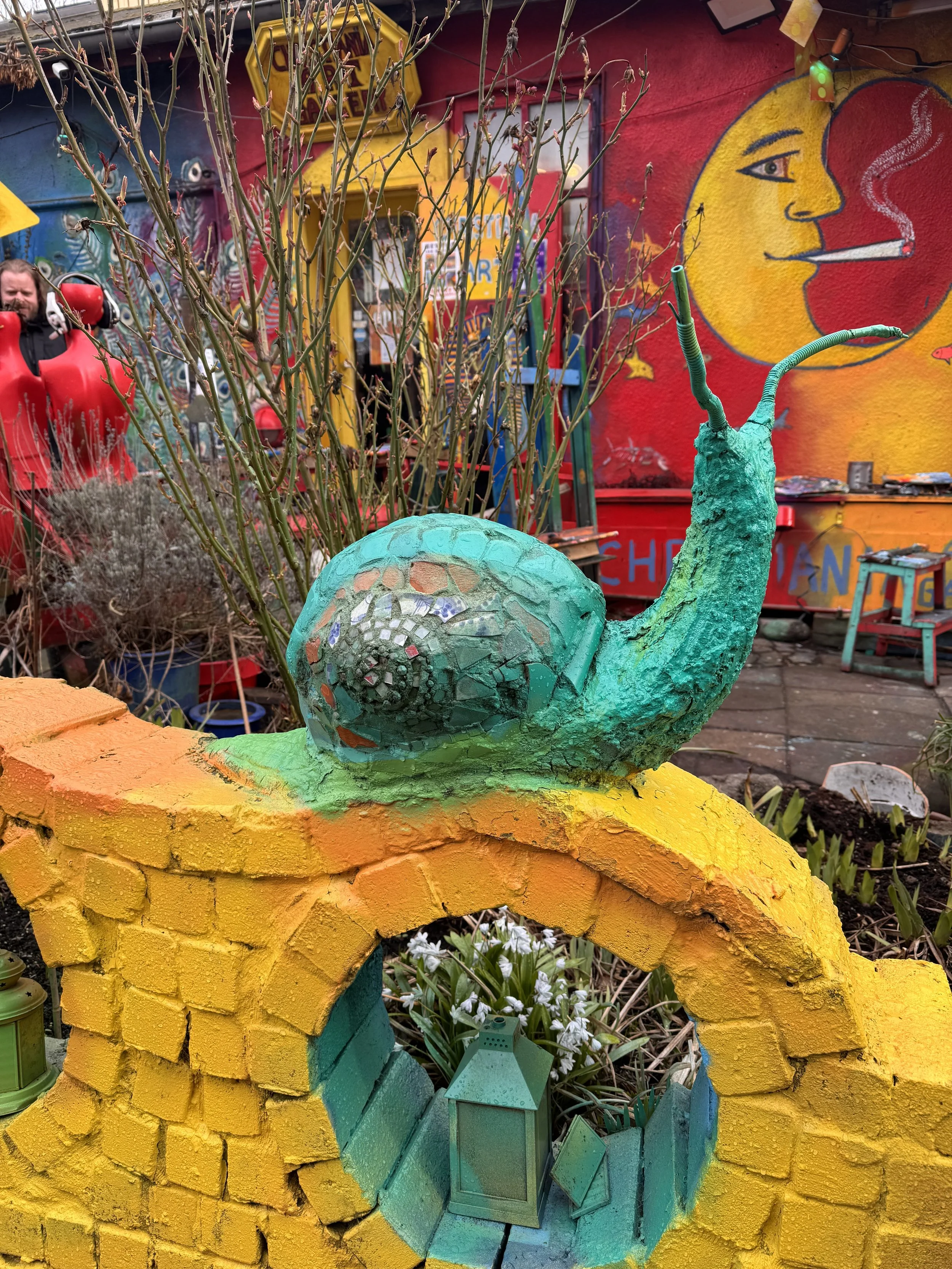
Outside, Copenhagen curates everything. Inside Christiania, things are rough and real and occasionally ugly. And somehow that roughness is exactly what makes it the most human place in the city.
The paradox isn't hard to see: the most alive spot in one of Europe's most ordered capitals is the one that refused to follow its rules.
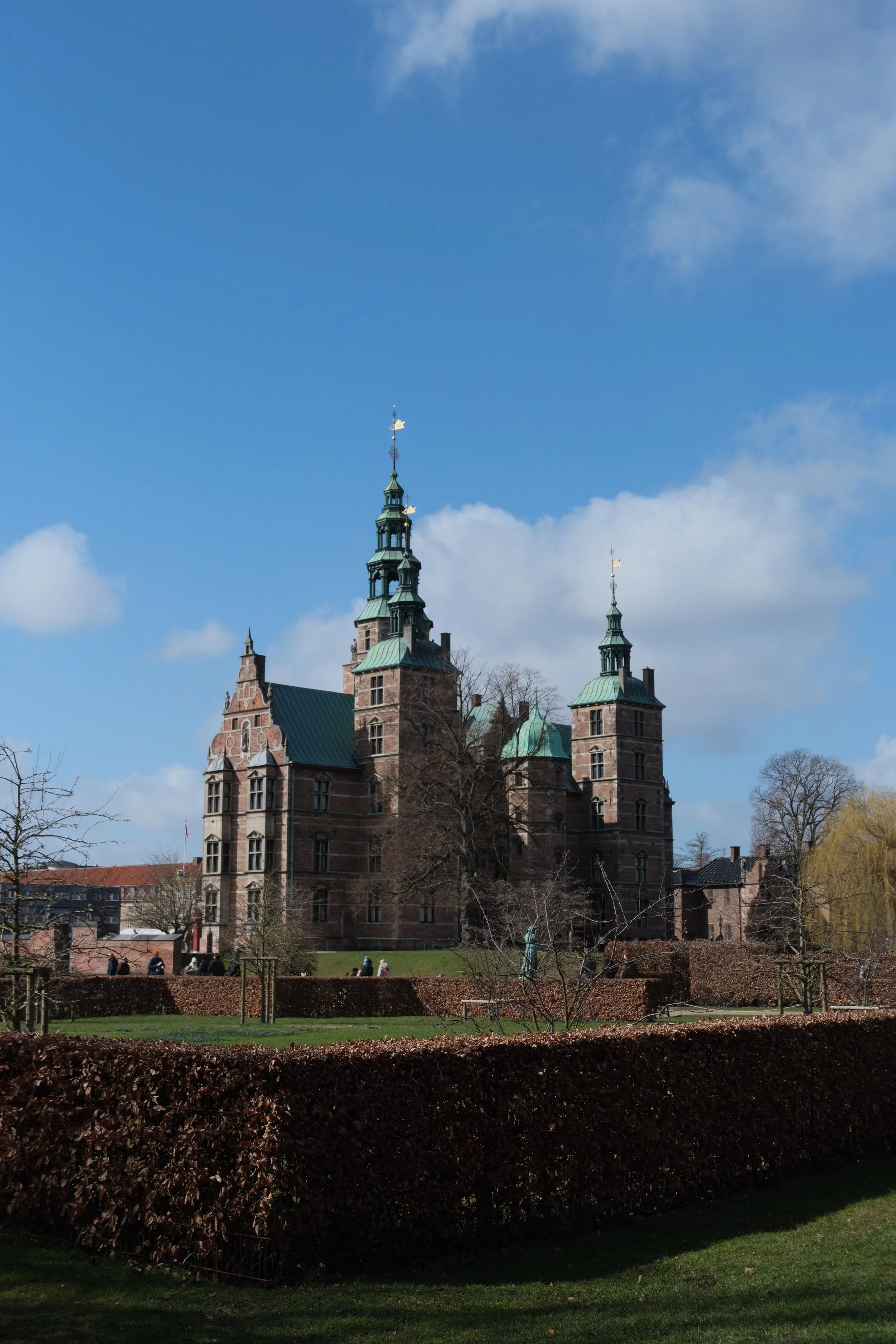
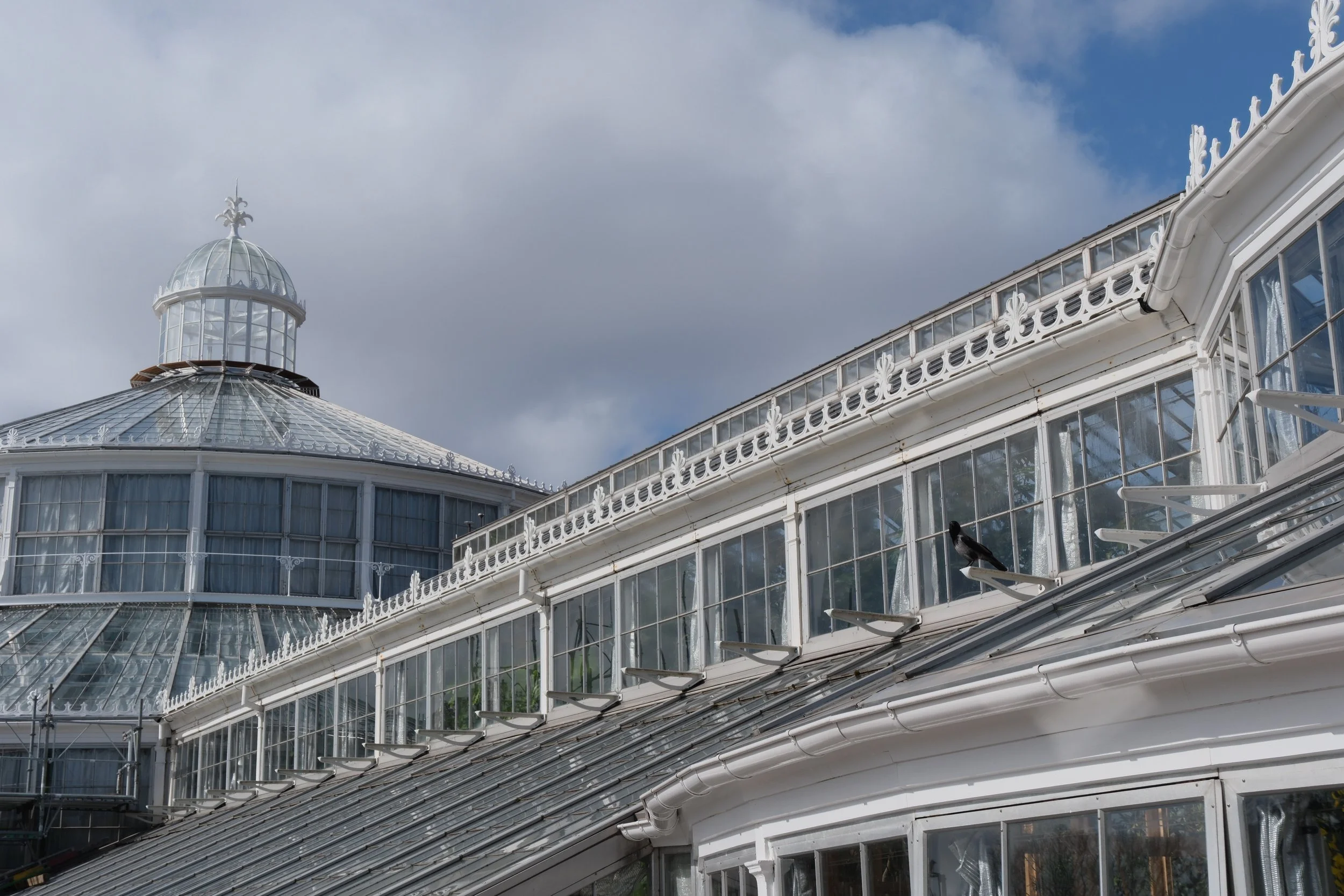
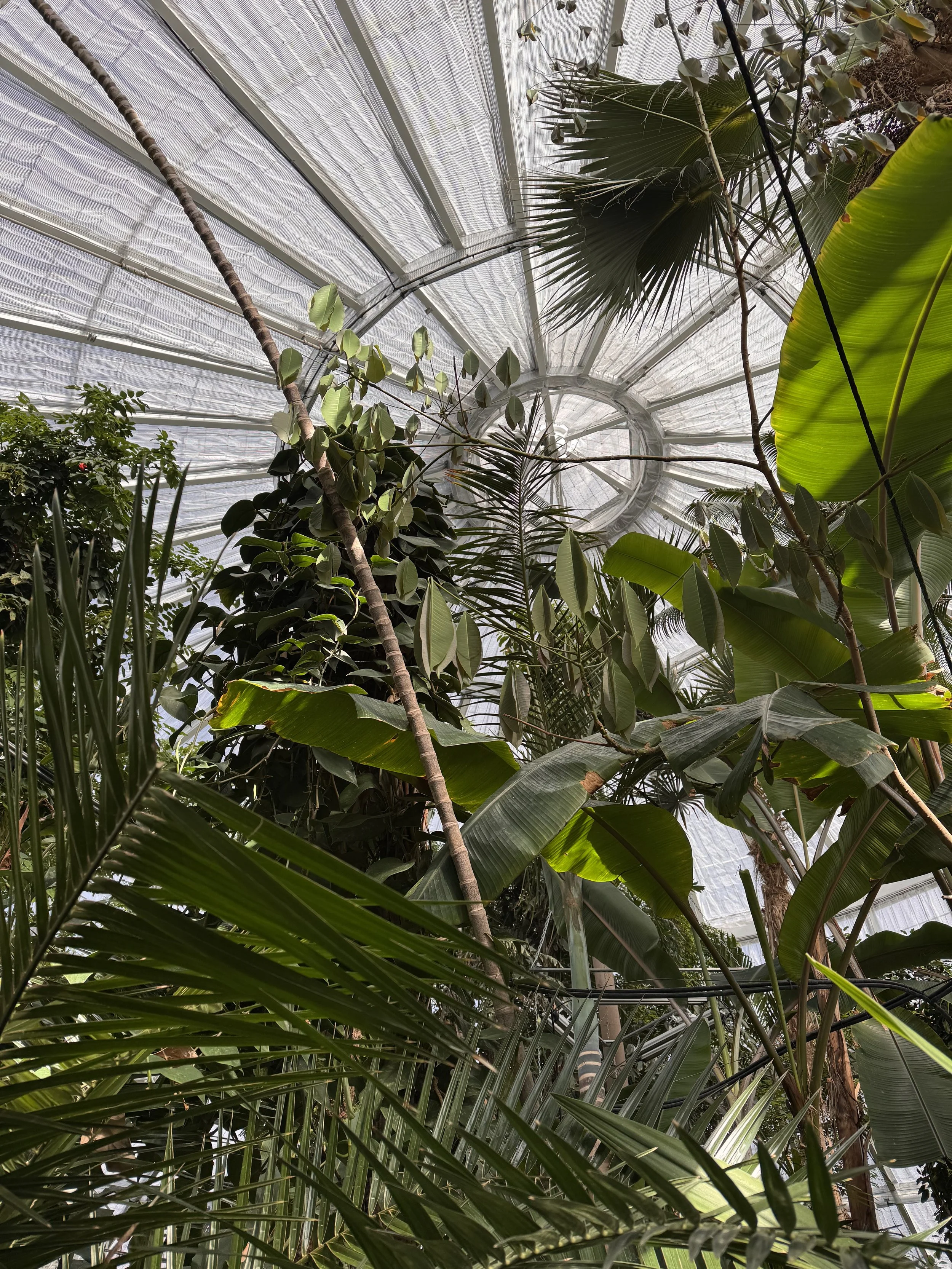
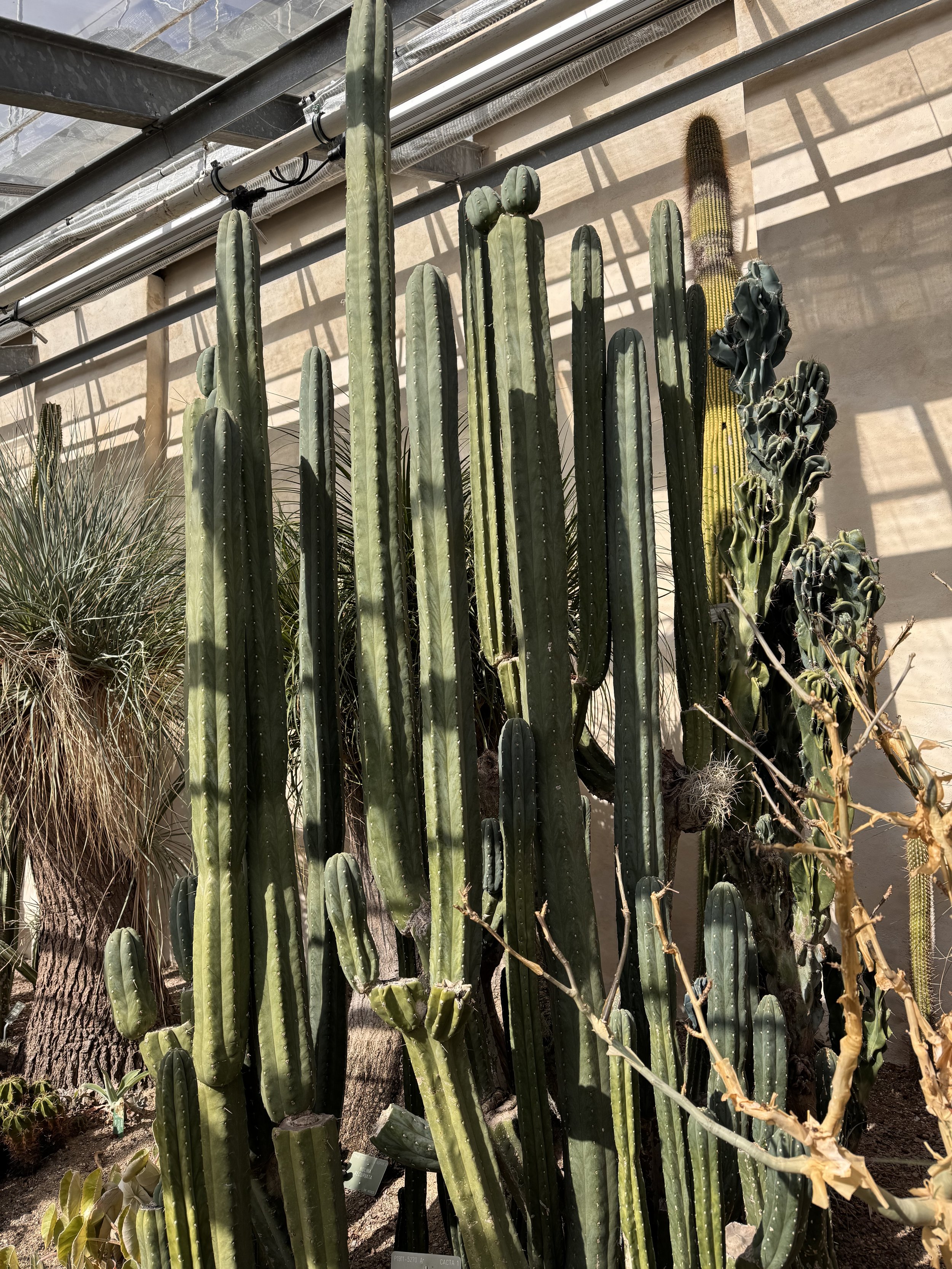
The rest of the city has its own rewards, even if they're quieter ones. Christiansborg and Rosenborg are worth building into your itinerary. The acclaimed Louisiana Museum of Modern Art - an hour by train - comes highly recommended, though a weekend in the city doesn’t leave much room for detours. Nonetheless, we did stop at the Botanical Garden, adjacent to Rosenborg Castle, which is housed in a Victorian glass structure that borders on the spectacular. Walking through the different climate zones — tropical heat, Mediterranean cool, the dizzy warmth of the butterfly house — is disorienting in the best way, especially when you step back out into the March wind. The butterflies land on your shoulders without asking permission. It's the least curated thing in Copenhagen, and it shows.

The Black Diamond, the Royal Library's extension on the waterfront, is worth the walk for the architecture alone: polished black granite and glass meet the older building behind it, an atrium flooded with harbour light, the strange sensation of being inside something both rigorous and open. The café at the entrance is a good place to sit if the cold has caught up with you, which by Sunday afternoon it probably has.
One more thing about Copenhagen: Hans Christian Andersen was born in Copenhagen, and he built a whole world of stories trying to escape it.
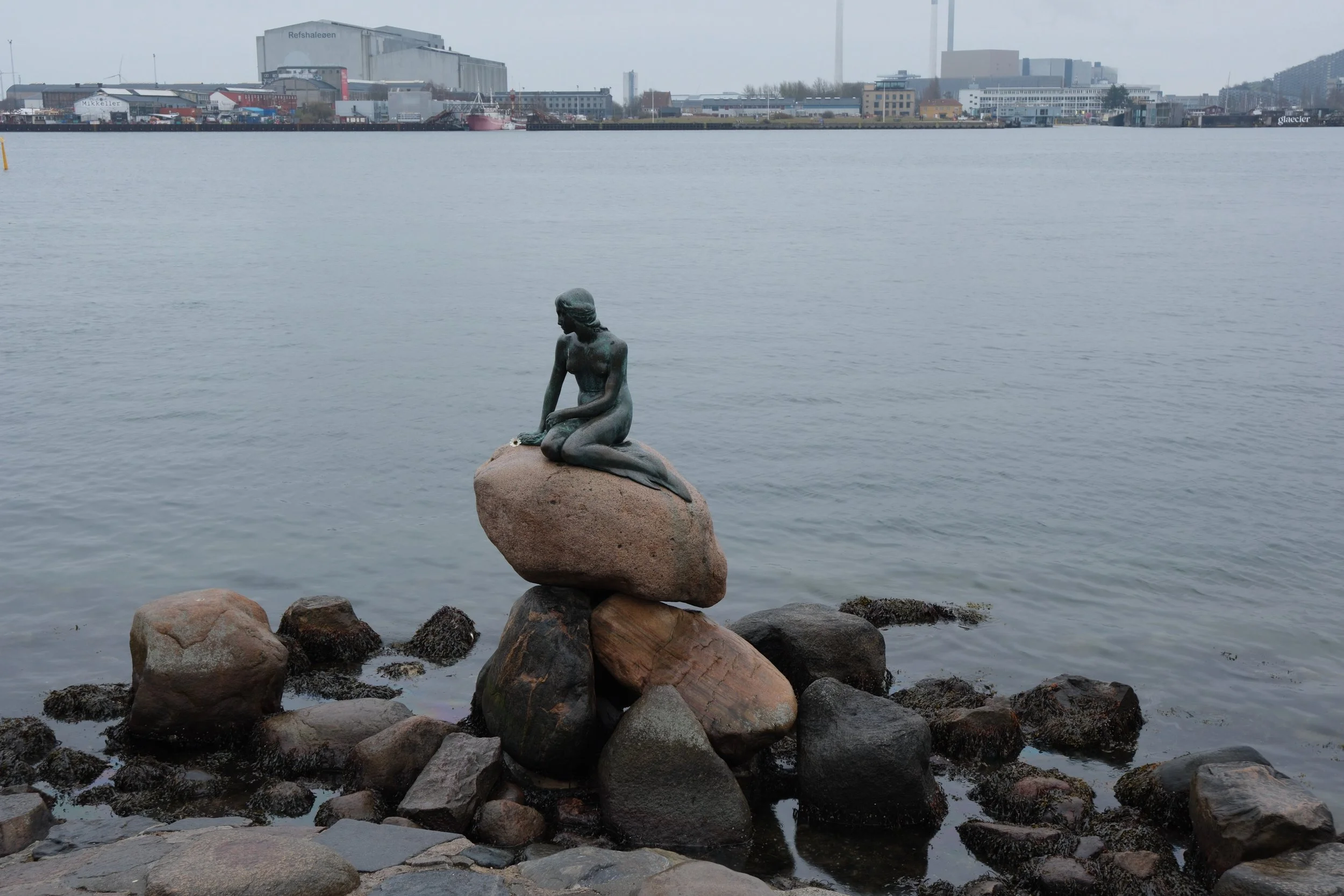
He lived for a time at Nyhavn — in that boarding house, in that harbor district that no longer exists in the form he knew it. He wrote fables that were darker than their Disney translations suggest, full of sacrifice and longing and things that don't resolve neatly. His most famous character, The Little Mermaid, sits on a rock at Langelinie — small, windswept, and slightly melancholic. In the rain, she fits right in. He loved travelling more than almost anything. He once wrote, through the voice of a butterfly: “Just living is not enough… one must have sunshine, freedom, and a little flower".
Copenhagen is a very good place to live. The infrastructure works. The design is exceptional. The pastries are among the best I've had anywhere. But whether it has the sunshine, the freedom, and the little flower — that's a question Christiania seems to have answered for itself, in its own chaotic, improbable, entirely human way.
The rest of the city might still be working on it.